


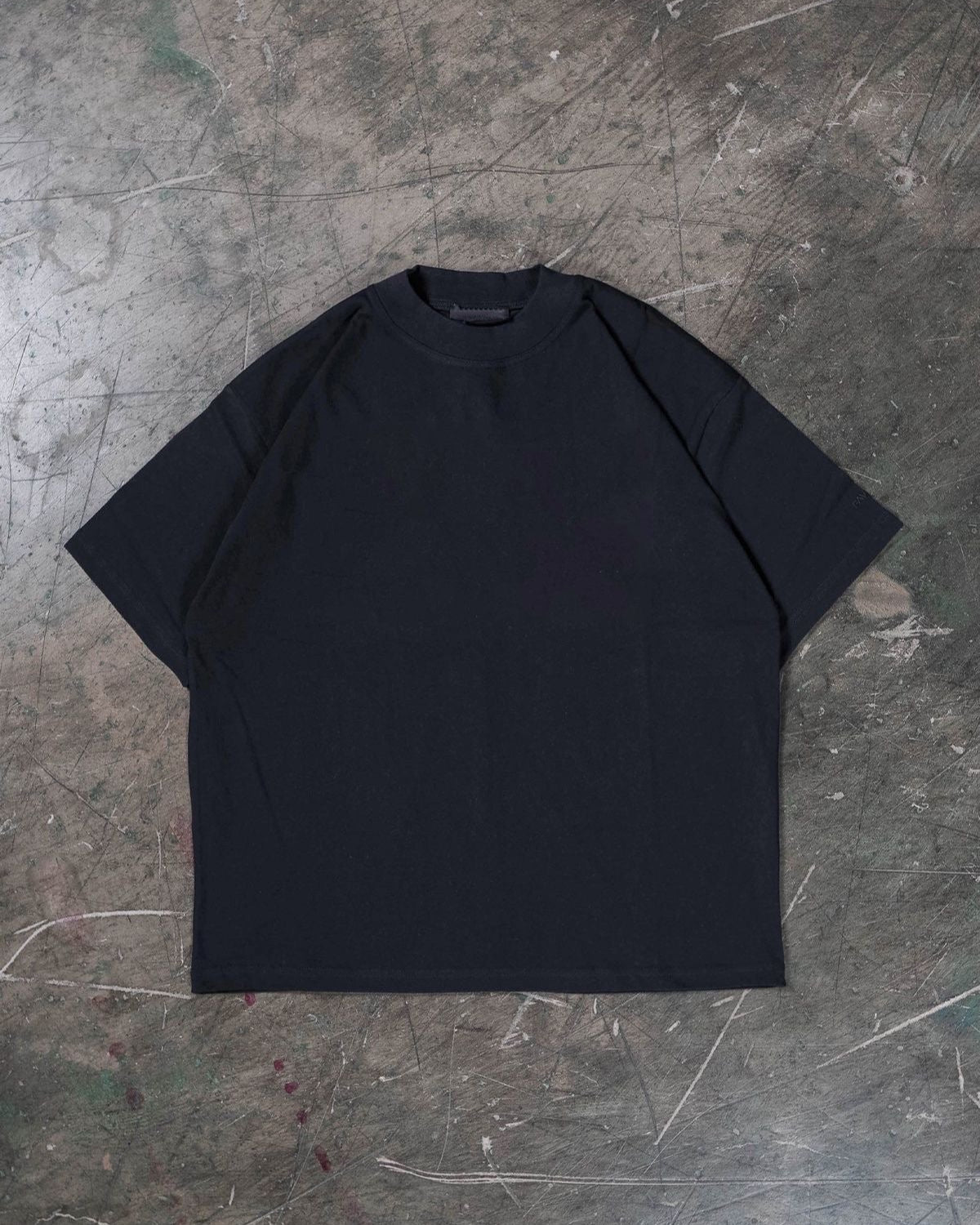
Short answer: The best embroidery fabric is a tightly woven natural cloth: cotton, linen or khadi. It holds stitches without puckering and takes a needle cleanly. Stretchy knits like t-shirt jersey can be embroidered too, but only if the cotton is heavy (220 GSM or more) and you back it with stabiliser.
In our Bulandshahr studio we stitch on 220 GSM cotton tees, cotton fleece sweatshirts, cotton shirting and denim caps. Every one of those choices came from a piece that went wrong on lighter cloth first. This is what we learned.
People are asking
Google Trends, India, Oct 2021 to Oct 2026. "Embroidery fabric" is in the top 20 embroidery searches in the country.
The 10 second fabric test
- Hold it to the light. If you can read print through it, it is too thin. Stitches will shadow and pull.
- Pull it on the straight and on the diagonal. A little give on the diagonal is fine. Stretch in every direction means you need stabiliser.
- Pinch and release. If it creases hard and stays creased, the design will crease around the stitches too.
Every common fabric, rated
| Fabric | Beginner friendly? | Notes |
|---|---|---|
| Cotton (poplin, casement, cambric) | Yes, the best start | Cheap, stable, easy to mark. Buy it by the metre from any cloth shop. |
| Linen | Yes | Beautiful texture, slightly looser weave. Choose medium weight. |
| Khadi | Yes | Handwoven and uneven, which suits kantha and running stitch. |
| Denim | Medium | Holds fine detail very sharply. Use a sharp, strong needle and a thimble. |
| Silk, organza | No | Slippery and shows every hole. Organza sarees (+200% in searches) need a frame and a light hand. |
| Cotton jersey (t-shirts) | With stabiliser | 220 GSM or heavier only. Thin jersey ripples for good. |
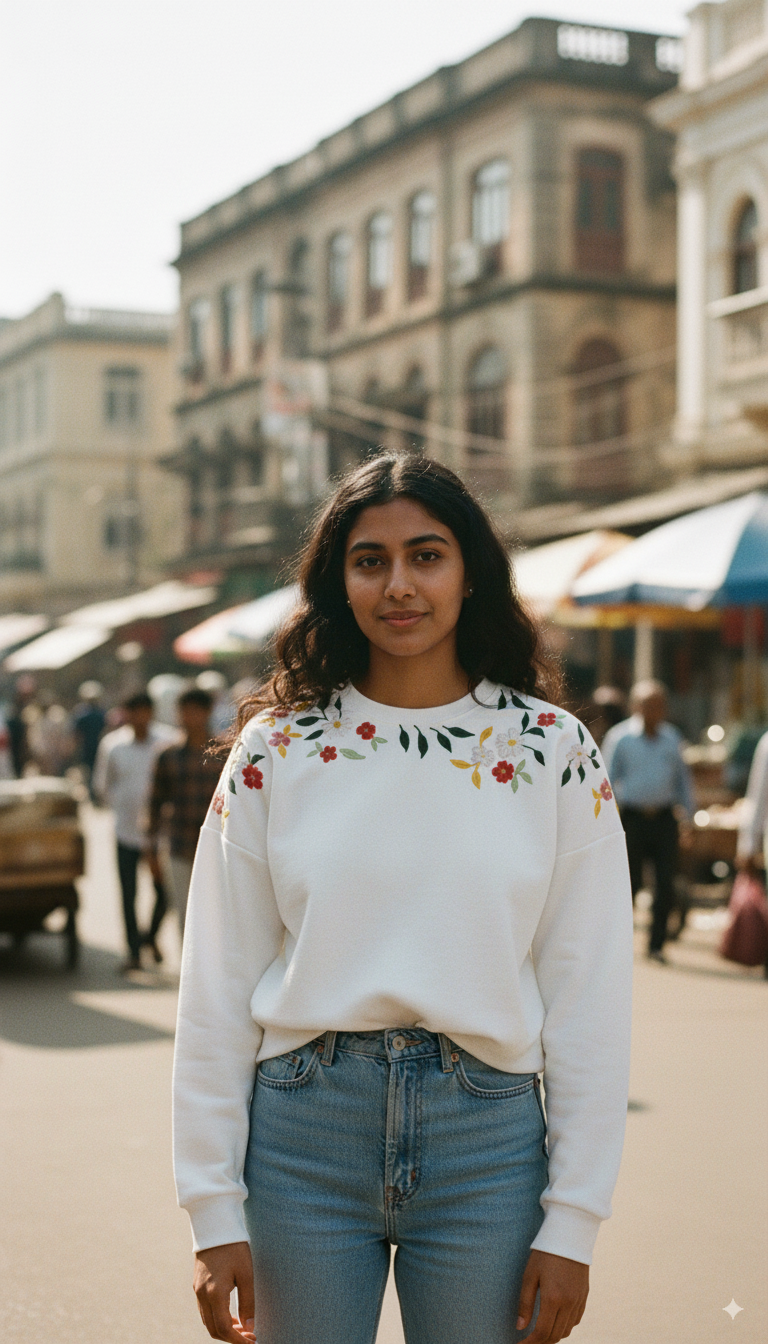
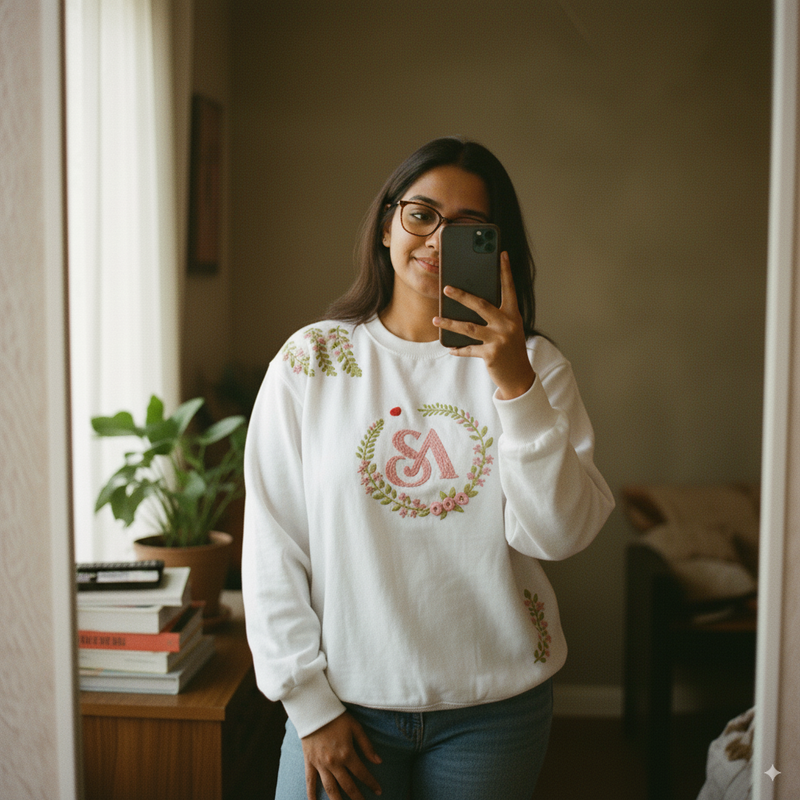
| Cotton fleece (sweatshirts) | With care | Thick pile can swallow stitches. Use more strands and a light topping. |
| Polyester blends | Avoid | Puckers, pills and melts under an iron. |
Which fabric for what you want to make (tap one)
My first practice piece
Plain white cotton or a cotton-linen blend, cut 2 inches bigger than your hoop. Our beginner kit checklist lists the rest.
A t-shirt
Heavy cotton jersey, iron-on cut-away stabiliser behind the design, loose hooping. Full method: how to embroider a t-shirt at home. Why weight matters: what 180, 220 and 240 GSM cotton feels like.
A kurta, blouse or dupatta
Cotton, mul, chanderi or a silk blend, worked on a frame. Style ideas in our embroidery kurta guide and simple embroidery designs for blouse borders.
Wall art in a hoop
Linen or a tightly woven cotton in a neutral shade. See embroidery hoop for finishing.
A cap or tote
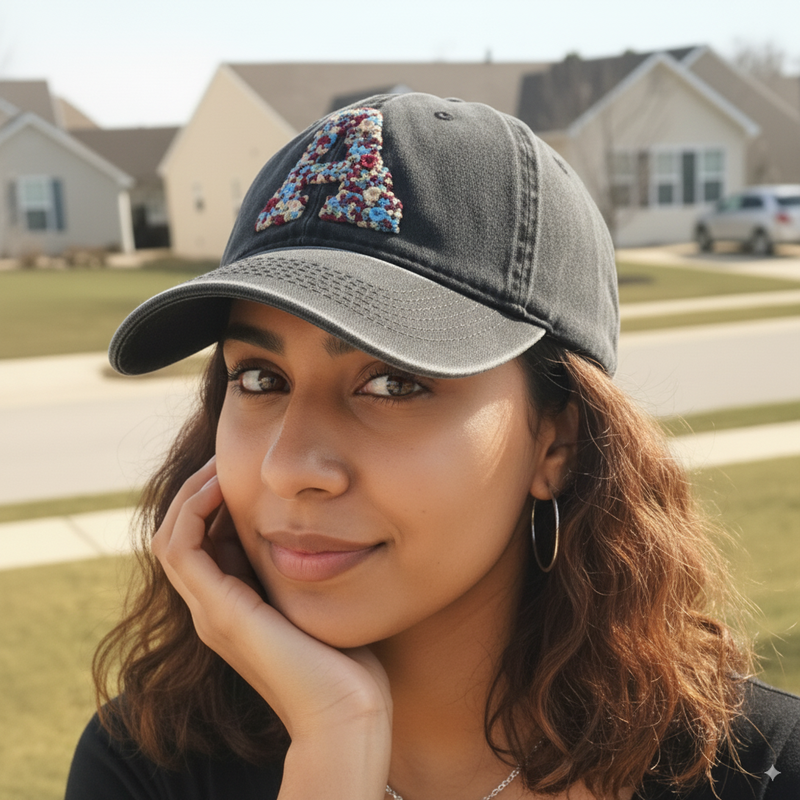
Denim or canvas. Stiff fabric means you can often skip the hoop for small motifs.
Three habits that save a piece
- Prewash cotton and linen before stitching, so they shrink before the embroidery, not after.
- Iron the fabric flat before you trace. A crease you trace over becomes a crooked line.
- Match thread to fabric weight. Two strands on fine cotton, three or four on fleece and denim. More in which thread for embroidery.
Watch: fabric types explained
Video: Crewel Ghoul Embroidery.
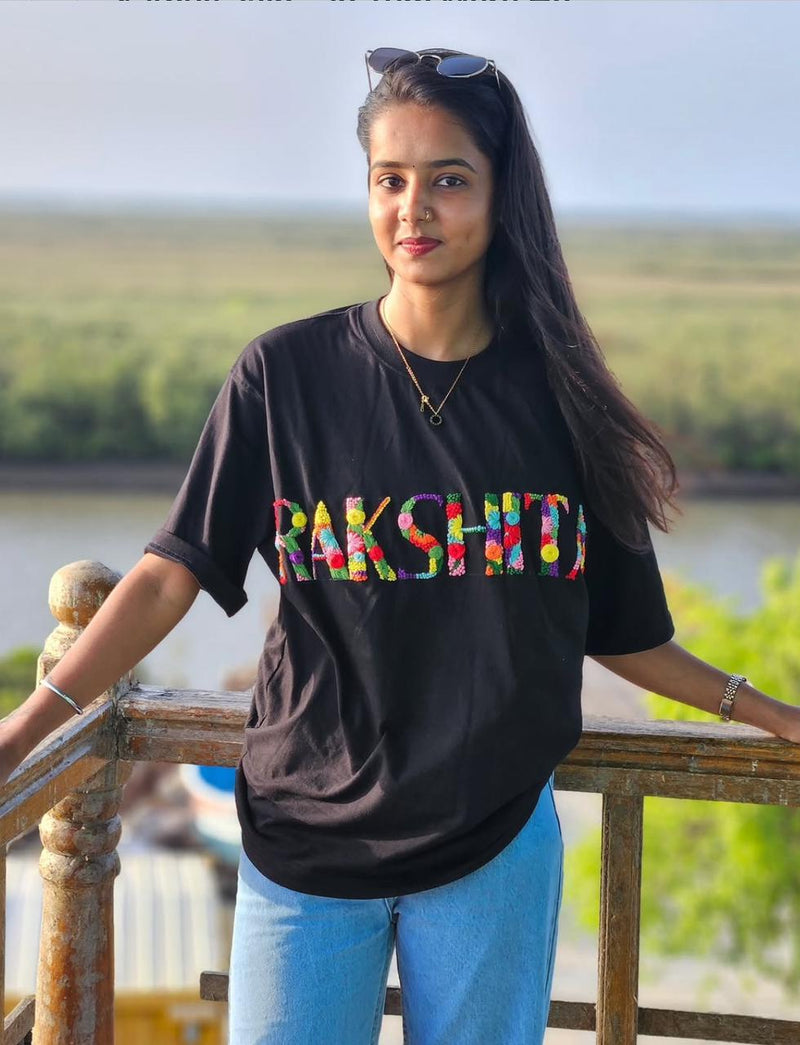
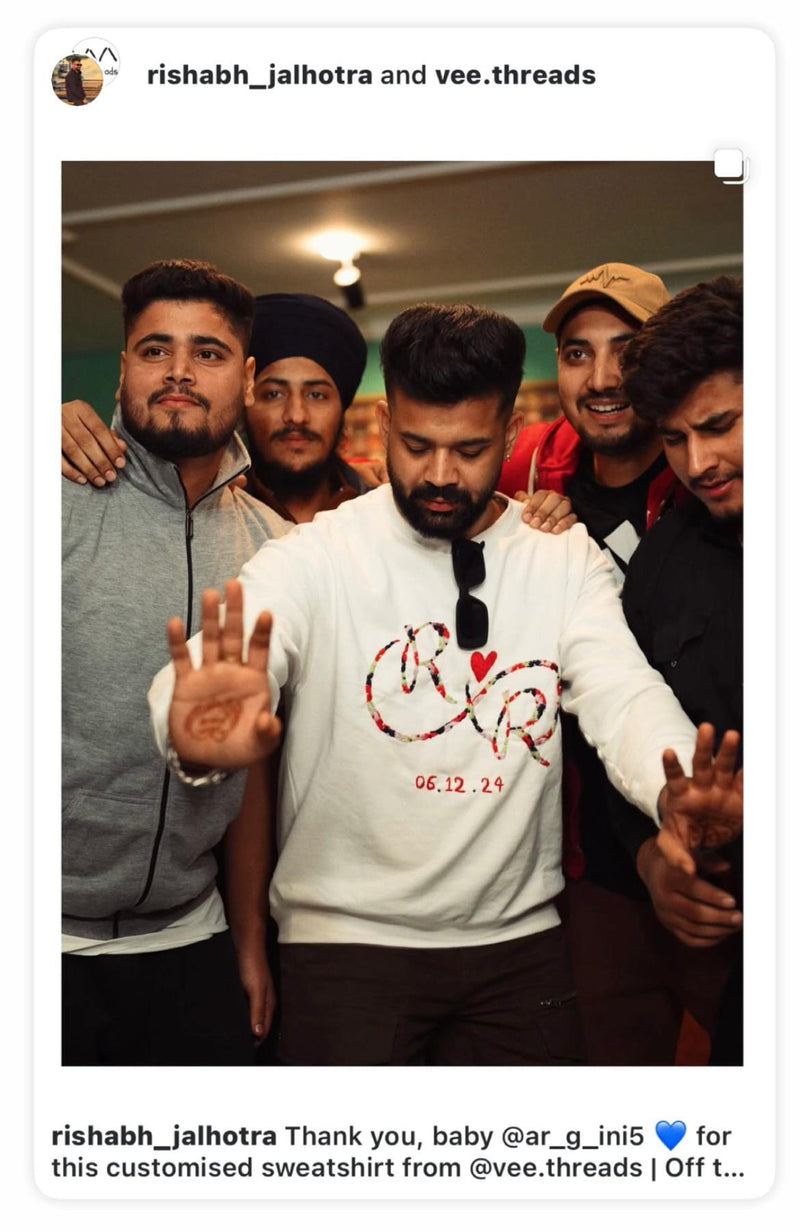
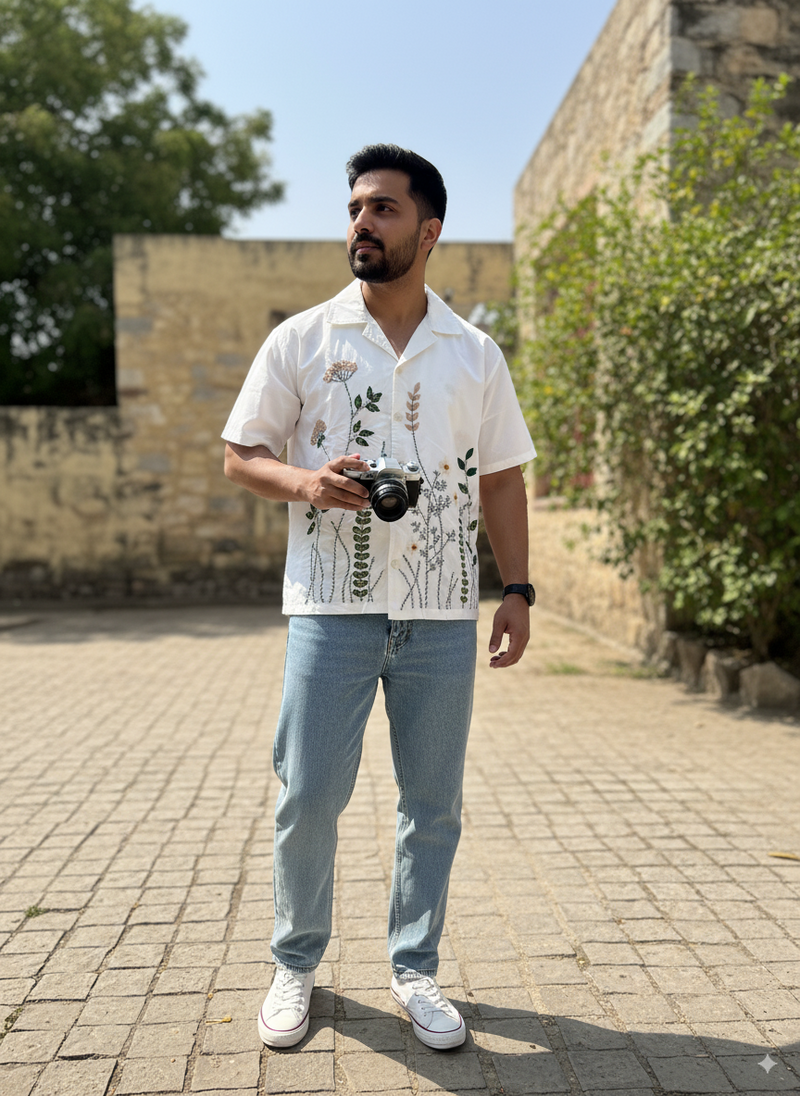
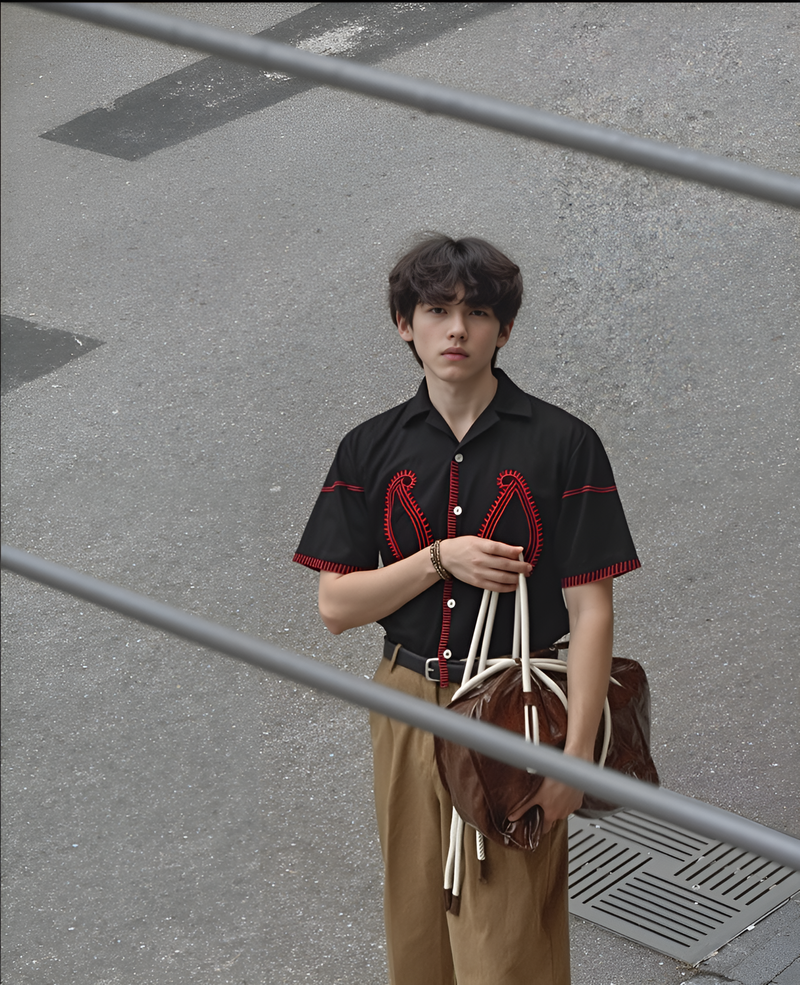
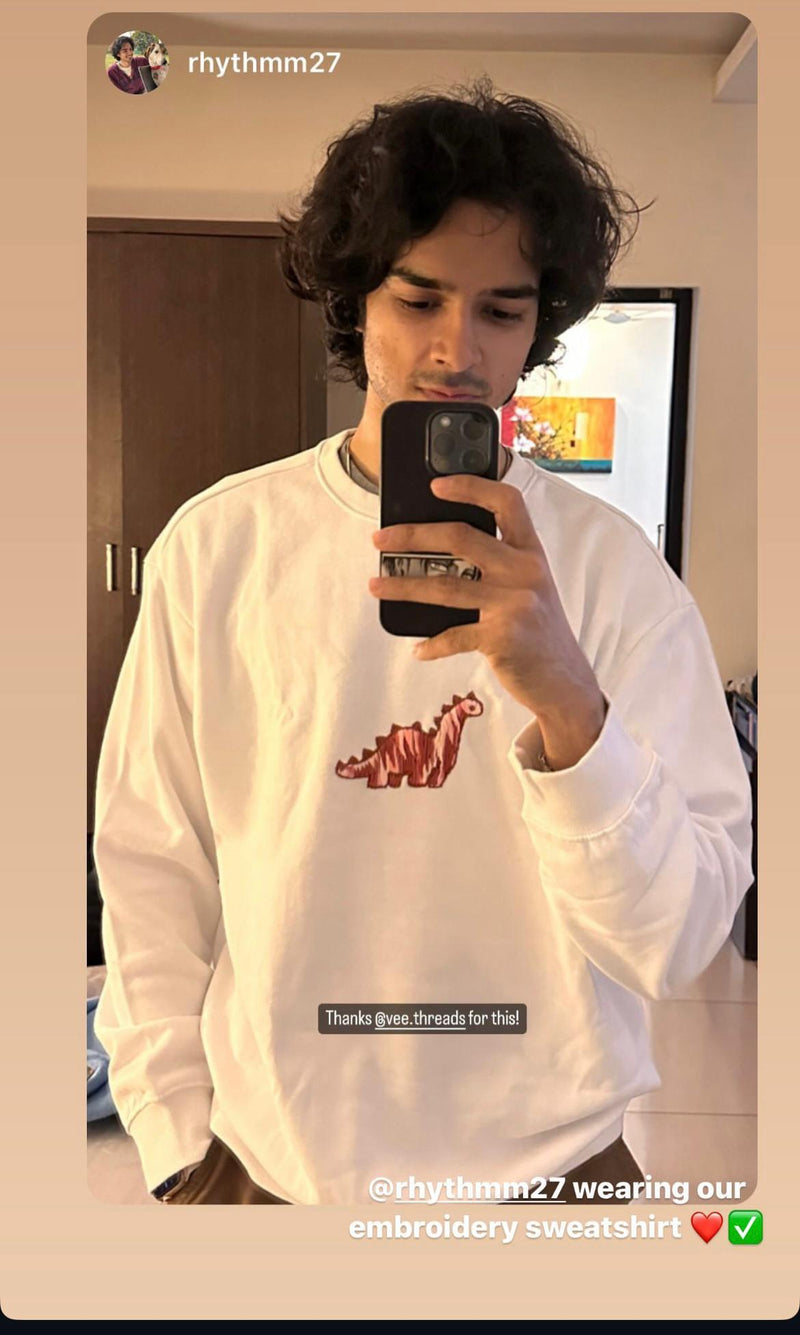
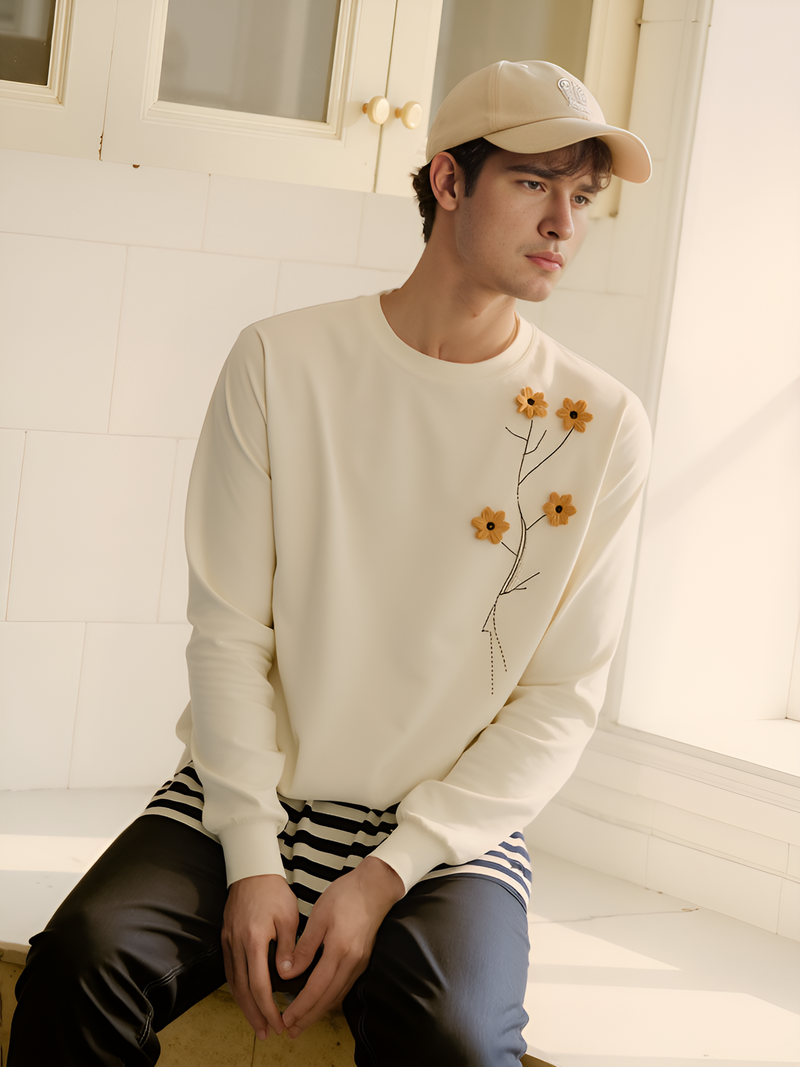
What our artisans stitch on


Read more: cotton types explained, what GSM means, what is embroidery.
Questions
Which cloth is best for hand embroidery in India?
Plain cotton (poplin or casement) for practice, khadi or linen for texture. All are easy to find at a local cloth shop by the metre.
Can you embroider on stretchy fabric?
Yes, with iron-on cut-away stabiliser on the back and gentle hoop tension. Without it, the design puckers when the fabric relaxes.
Do I need special embroidery fabric?
No. Aida and evenweave are for cross stitch. For surface embroidery, ordinary tightly woven cotton works perfectly.
Written by the Vee Threads studio team in Bulandshahr, where women artisans have hand stitched more than 5,000 orders.






Share and get 15% off!
Simply share this product on one of the following social networks and you will unlock 15% off!