



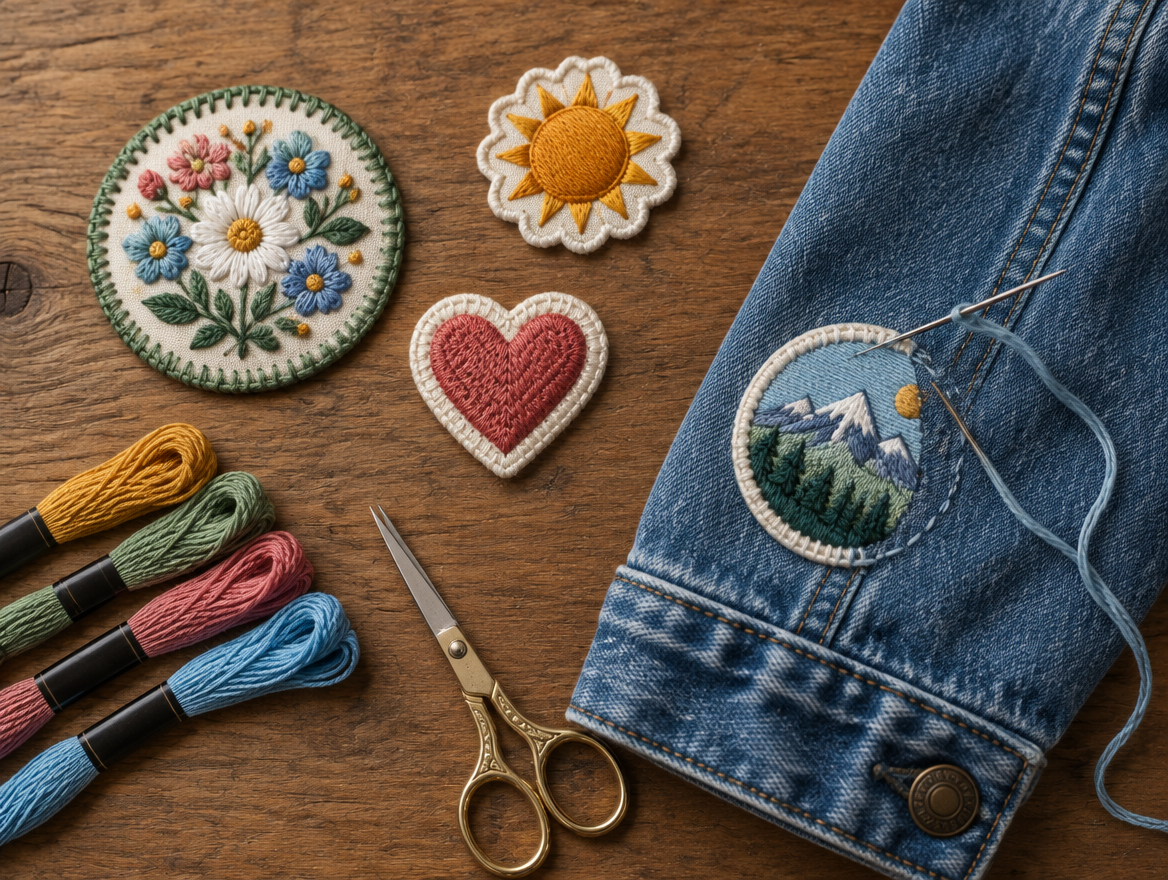
Short answer: An embroidery patch is a design stitched on its own piece of backing fabric, then attached to clothing. Sew-on patches last for years. Iron-on patches are quick but tend to lift at the edges after repeated washing, so stitch around the edge even if it says iron-on.
Searches for "embroidery patches" in India are up 50% over five years (Google Trends). We mostly stitch straight into the garment rather than onto patches, and we get asked why. So here is the full picture, including when a patch really is the right choice.
Types of patch
| Type | What it is | Best for |
|---|---|---|
| Machine embroidered | Dense satin fill on twill, with a hard merrowed edge | Uniforms, clubs, logos in bulk |
| Hand embroidered | Stitched by hand on cotton or felt, edge blanket stitched | Gifts, jackets, one-offs |
| Chenille | Fluffy looped yarn, varsity style | Letter jackets, sweatshirts |
| Woven | Thin, flat, woven like a clothing label | Fine text and small detail |
Iron-on or sew-on? (tap to compare)
Iron-on
Heat-activated glue on the back. Fast, no sewing. Weak spots: stretchy fabric, hot washes and the tumble dryer, which soften the glue. Fine for bags and caps you rarely wash.
Sew-on
Stitched around the edge with a whip stitch or blanket stitch. Ten minutes of work, lasts as long as the garment. The right choice for jackets and anything washed weekly.
Both (what we recommend)
Iron it on to position it, then sew round the edge. The glue stops it shifting while you stitch.
Patch or embroider directly?
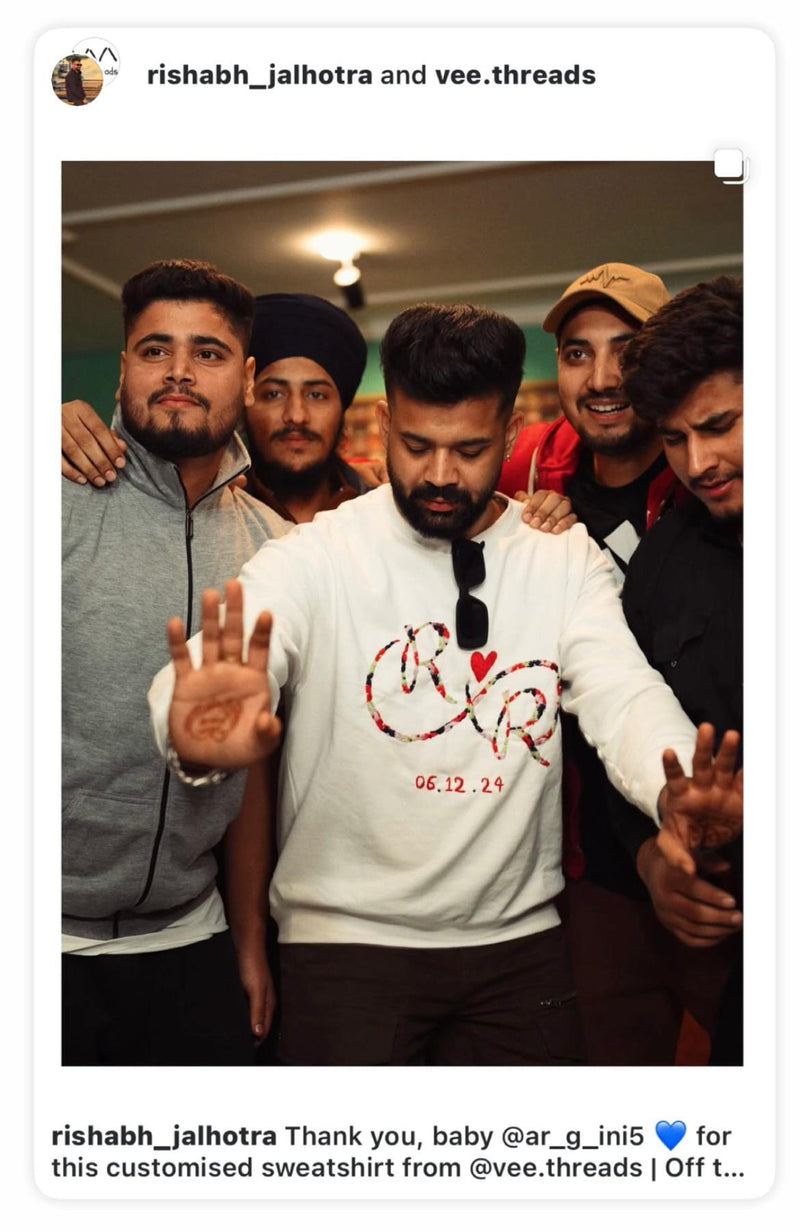
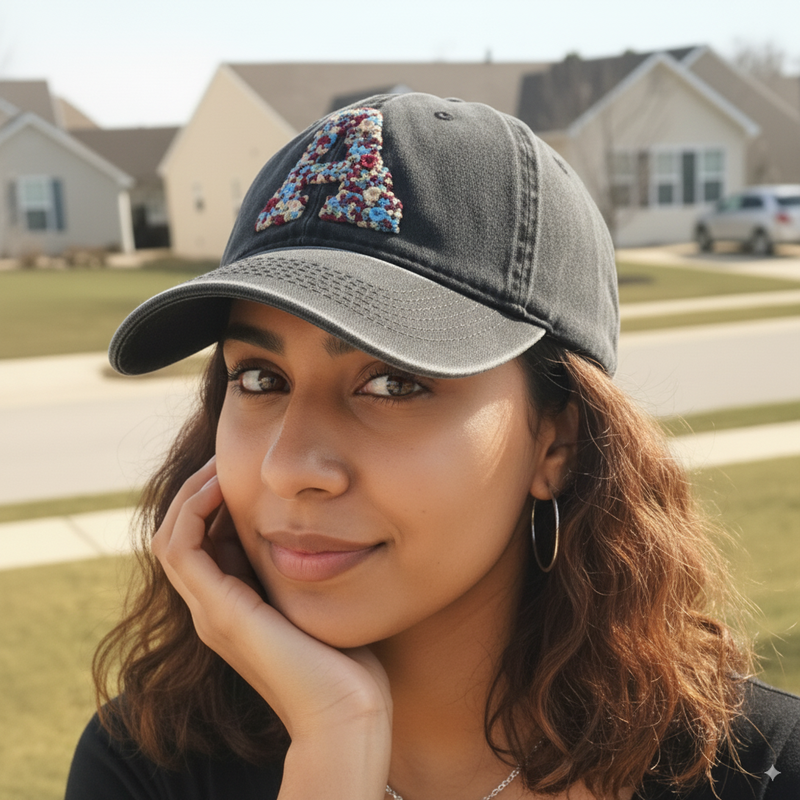
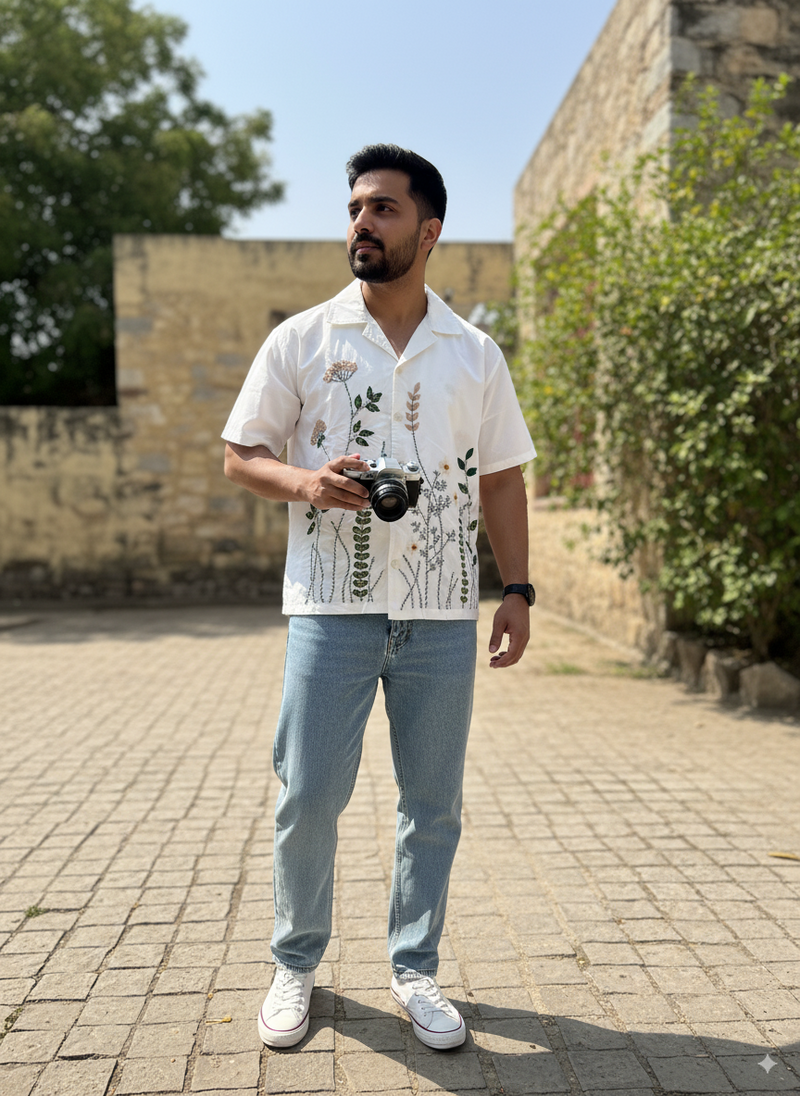
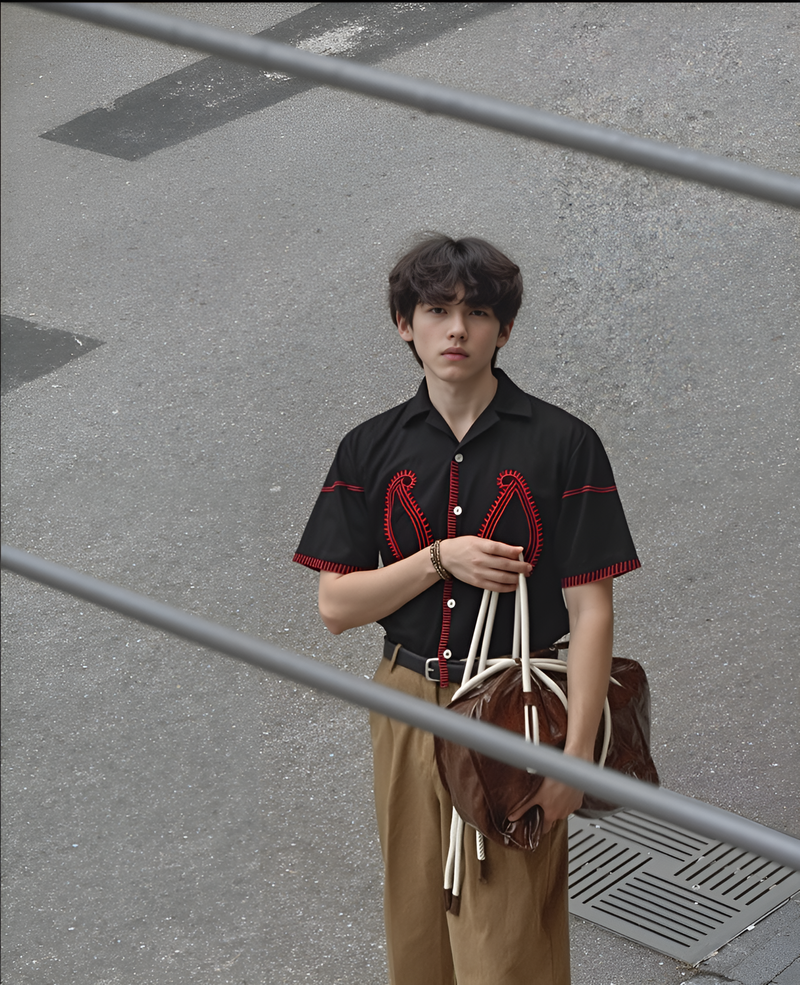
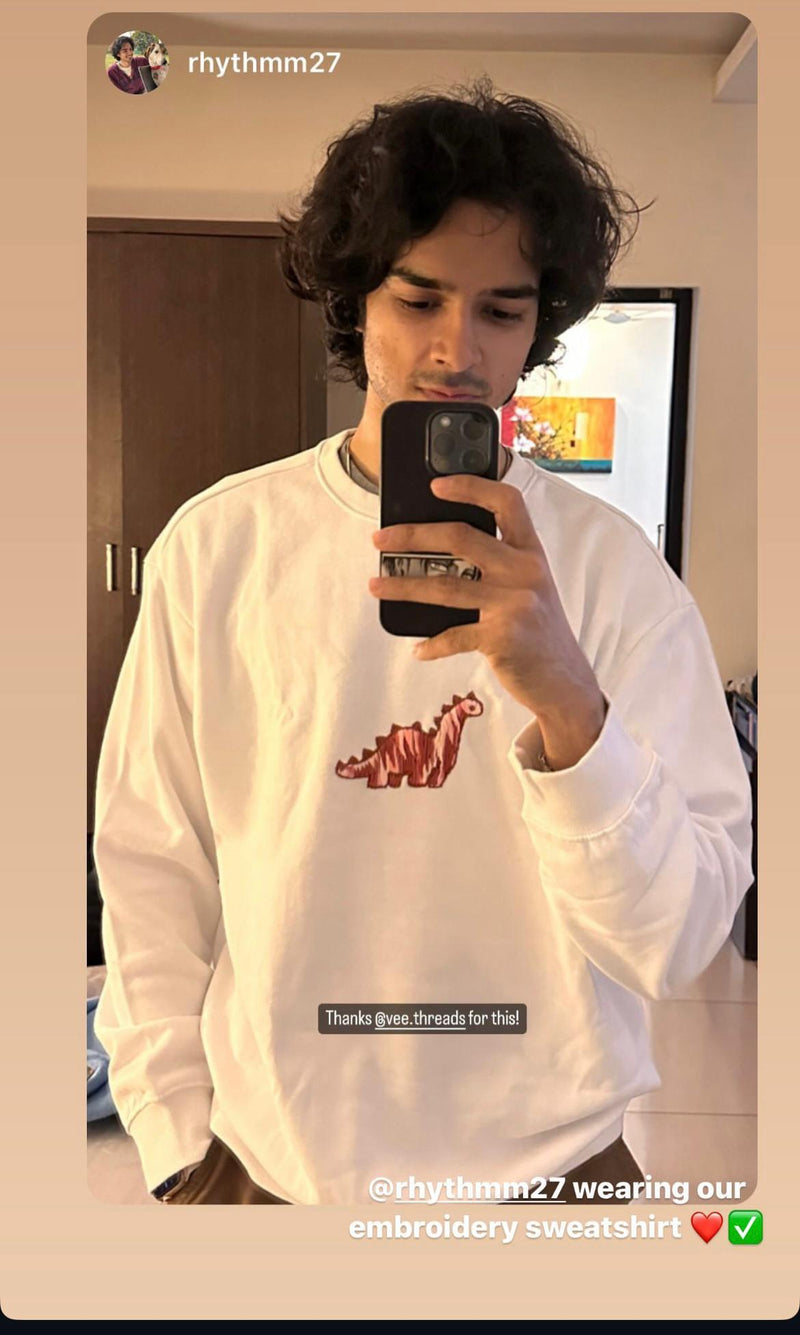
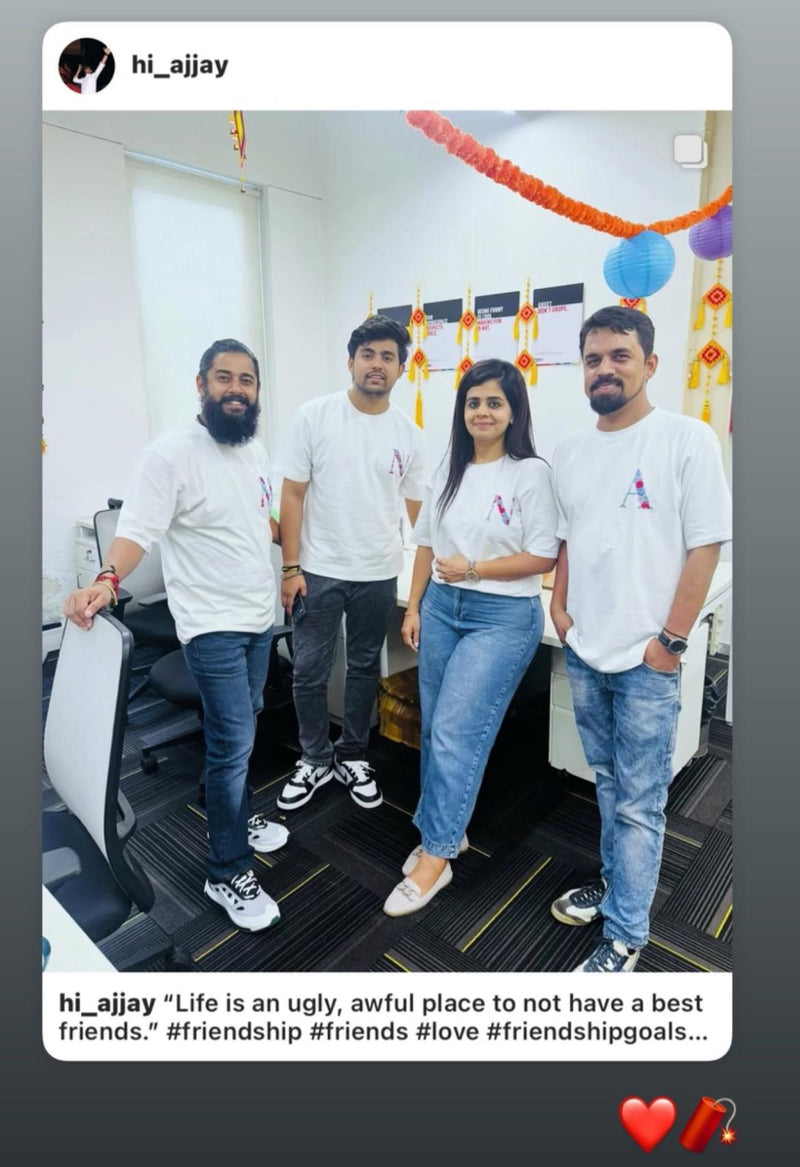
Patches win when you want to move a design between garments, cover a hole, or put the same logo on 300 jackets. Direct embroidery wins when you want the piece to feel soft, move with the fabric and outlast it. That is why every Vee Threads piece is stitched straight into the tee, sweatshirt or cap. More in will hand embroidery peel or come undone.
Make a hand embroidered patch in 6 steps
- Draw your design on cotton or felt, leaving 2 cm all round. Ideas in simple embroidery designs.
- Hoop it and stitch the design. Use a 5 or 6 inch hoop.
- Iron a piece of fusible interfacing on the back to stiffen it.
- Cut out the shape, leaving 3 to 4 mm past the design.
- Blanket stitch or tight satin stitch round the edge to stop fraying.
- Sew it on with small whip stitches in matching thread.
Video: Shmoxd, nearly 3 million views.
Patches for a business
Logo patches are mostly machine made, because they are ordered in hundreds. If you want something people keep, a hand stitched logo or name straight on the garment reads as a gift. See our embroidery logo guide and corporate gifting.


Questions
Can you wash clothes with iron-on patches?
Yes, cold and inside out. Skip the dryer. If an edge lifts, stitch it down rather than re-ironing.
Can patches cover a hole?
Yes. Put a scrap of fabric behind the hole first, then sew the patch over it. It is one of the oldest forms of visible mending.
Written by the Vee Threads studio team in Bulandshahr, where women artisans have hand stitched more than 5,000 orders.











Share and get 15% off!
Simply share this product on one of the following social networks and you will unlock 15% off!