



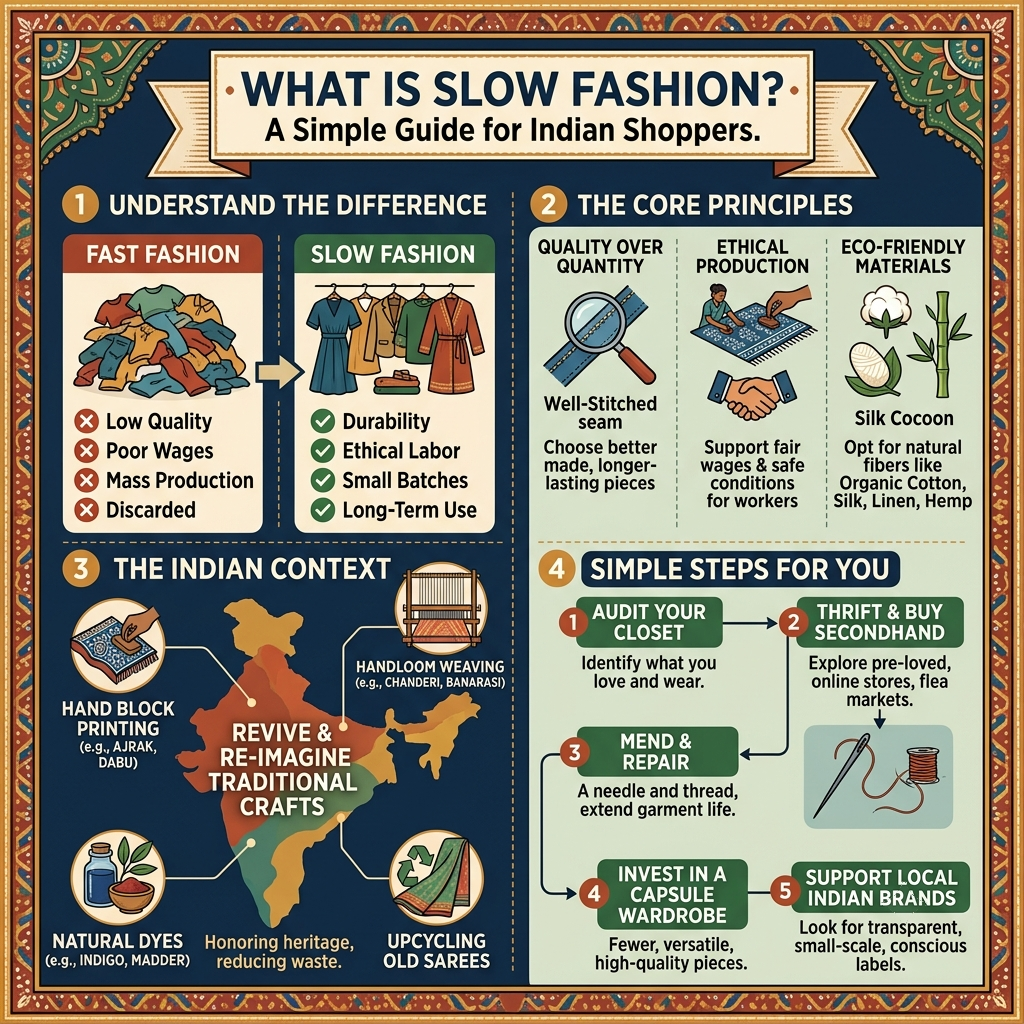
Slow fashion is a phrase you see on a lot of product pages now, usually next to a photo of linen. Most of those pages never explain what it means. This one will.
You do not need to know anything about the clothing industry to follow this. By the end you will know what the term covers, what it costs, and how to tell a brand that means it from a brand that just likes the word.
The short version
Slow fashion means making fewer clothes, more carefully, and expecting people to keep them for years. It is the opposite of a system built on releasing new styles every few weeks at prices low enough that nobody minds throwing them away.
That is really the whole idea. Everything else follows from it.
What fast fashion actually is
It helps to know what slow fashion is reacting against.
A fast fashion brand designs, produces and ships a style in weeks. It works in very large volumes, which brings the cost per piece right down. New styles land constantly, so there is always a reason to buy again. The clothes are made to survive a season rather than a decade, because a garment that lasts ten years is a garment nobody replaces.
None of that is a conspiracy. It is a business model, and it works extremely well. The cost shows up somewhere else: in the wages paid to the people sewing, in the volume of clothing thrown away, and in the quality of what you end up owning.
What slow fashion changes
Four things, mainly.
Fewer pieces. A slow fashion label might release a handful of designs in a year rather than a new drop every fortnight. Less choice, but each piece has had thought put into it.
Made to order, or close to it. Producing after somebody buys rather than before means no warehouse of unsold stock heading for landfill. It also means you wait longer, which is the honest tradeoff.
Better materials. Heavier cotton, natural fibres, construction meant to survive washing. This is where a lot of the price difference sits and it is the part you feel first.
People you can name. A slow fashion brand can usually tell you where a garment was made and who made it. If nobody will say, that silence is the answer.

Where India fits into this
India is unusual here, because the slow part was never lost.
Hand embroidery, block printing, handloom weaving and khadi have all been practised here continuously for centuries. They did not need reviving as a trend. They kept going in villages and small workshops while the global industry moved in the opposite direction.
So slow fashion in an Indian context is less about inventing a new way of making clothes and more about paying properly for a way of making clothes that already exists. That distinction matters when you are deciding where to spend.
The craft traditions themselves are worth knowing a little about. Our guide to Indian hand embroidery styles covers kantha, chikankari, phulkari and mirror work in plain language.

Why it costs more
This is the question that stops most people, so here is a real number rather than a principle.
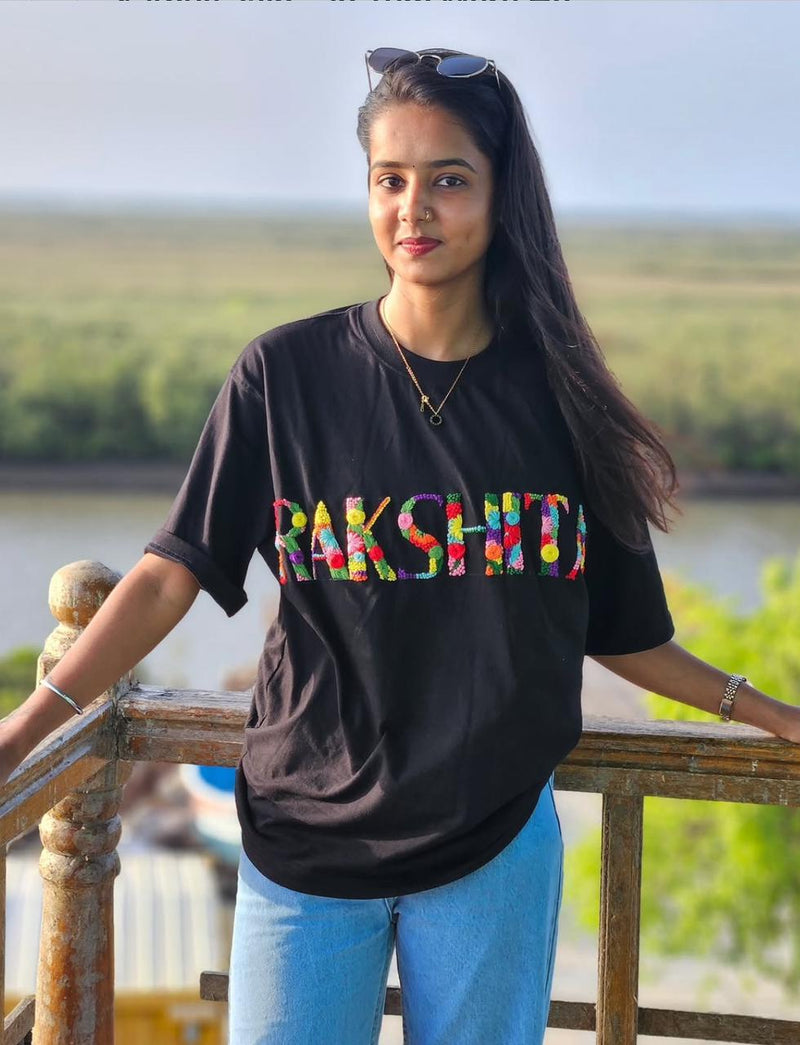
A single initial embroidered by hand takes roughly 6 hours of stitching. Not six minutes. A machine does the same shape in a fraction of that time, which is why a printed tee sits at around Rs 250 to Rs 400 and a hand embroidered one starts near Rs 1,300.
You are not paying more for better cotton, or not mainly. The fabric is a small part of the price. You are paying for most of somebody's working day. That is the entire gap, and once you see it in hours it stops looking like a markup.
We go further into this in why hand embroidered clothing costs more.

How to tell if a brand actually means it
The word is unregulated. Anyone can print it on a swing tag. These questions cut through it quickly.
Where is it made, specifically? Not the country. The place. A brand doing this properly will name a town or a workshop without being asked twice.
How many new styles do they release? A label putting out fifty new designs a month is running a fast fashion calendar whatever the copy says.
Can they explain the price? A brand that knows its own production can tell you where the money goes. One that cannot usually did not make the thing.
Do they tell you how to care for it? This one is quietly revealing. A brand that wants the garment to last will explain how to wash it. A brand expecting you back next season has no reason to bother.
Is anything about the people making it visible? Names, photographs, a location, anything concrete. Vague talk about artisans with no detail behind it is marketing.
Buying slowly without buying expensively
Slow fashion has an image problem. It reads as something for people with money to spare. It does not have to be.
Buy less often. One piece you wear for five years costs less per wear than five pieces you wear for one season, and it takes up less of your wardrobe and your attention.
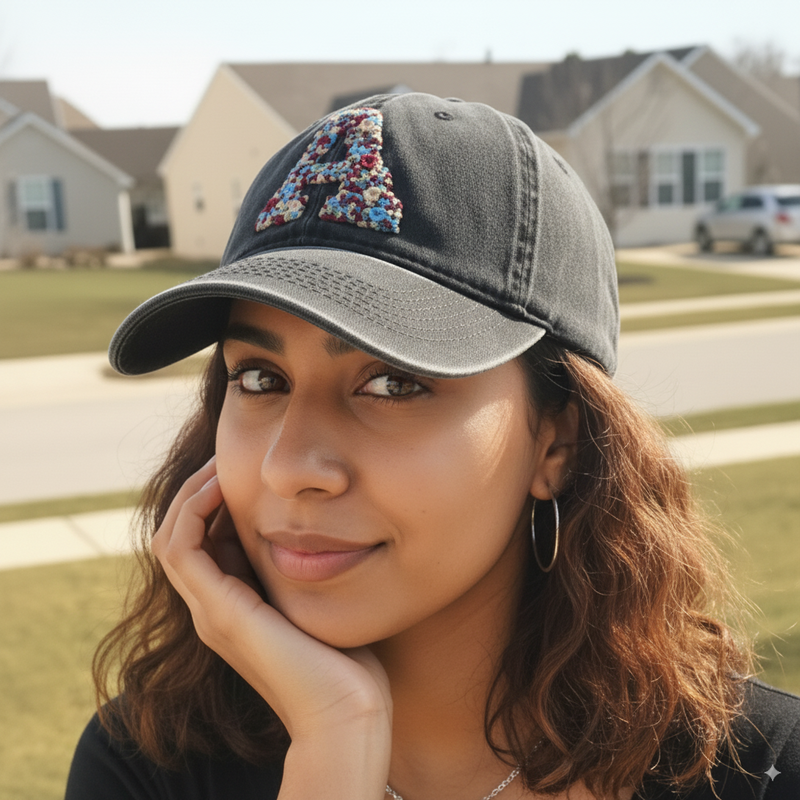
Start small. A cap or a pair of socks costs a fraction of a jacket and teaches you whether you actually like how handmade things wear.

Buy what you already reach for. The most sustainable garment is the one you wear constantly. A plain tee with a small motif gets worn far more than something dramatic, however good the dramatic thing looks online.
Learn to care for what you own. Washing cold and inside out, air drying instead of tumble drying, and folding rather than hanging will add years to almost anything. Our laundry guide covers the routine for embroidered pieces.
What we do, so you can judge it
We should be held to the same questions.
Vee Threads is run by Mansi and Vikash in Kutubpur, a village in Bulandshahr, Uttar Pradesh. Every piece is embroidered by hand by women who live near the studio. There is no embroidery machine in the building. Tees are 220 GSM cotton and sweatshirts are 350 GSM brushed fleece. Custom pieces are stitched after you order them, which is why they take up to 7 days to leave us rather than 1 to 3. We have shipped over 5,000 orders across India.
If any of that had been vague, you should have been suspicious. More detail is on our about page.
Where to start
If you want to try buying this way, pick one thing you will wear weekly rather than one thing that photographs well. Our embroidered tee shirts are the usual first purchase. If you would rather test the idea at a lower price first, the denim caps are a fair way in.

And if you buy nothing at all, the useful part of this article is the five questions. They work on any brand, including ours.







Share and get 15% off!
Simply share this product on one of the following social networks and you will unlock 15% off!