



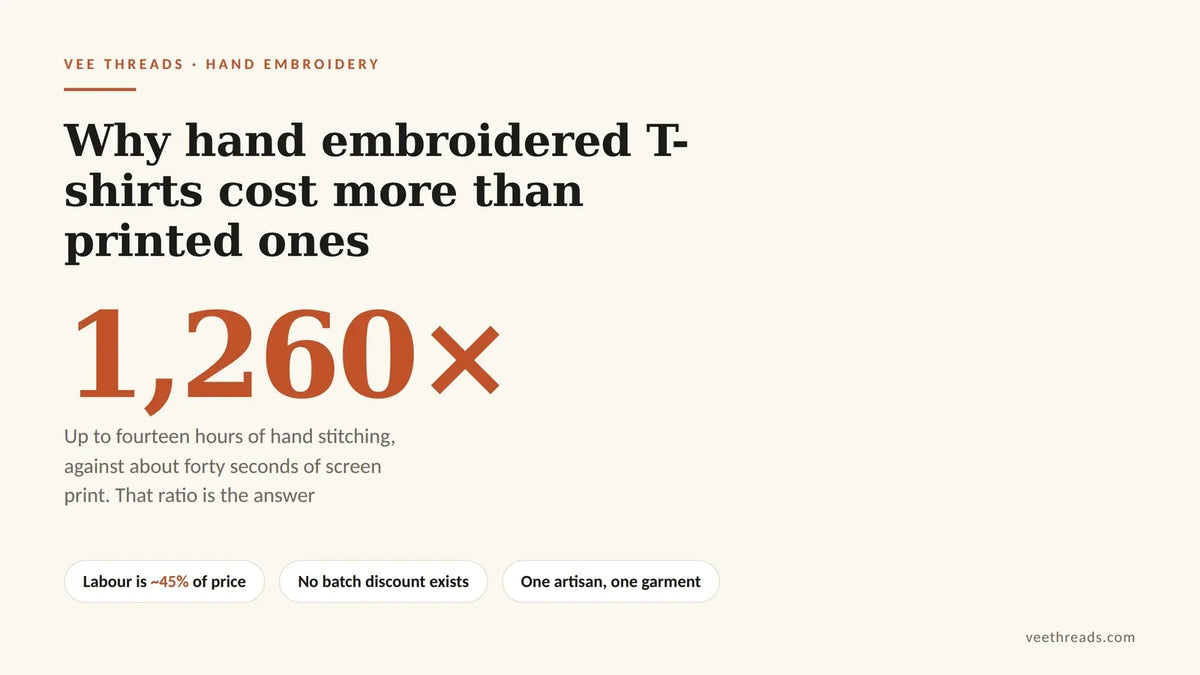
Short answer. Hand embroidery is expensive because a screen print takes about forty seconds of machine time and a hand-embroidered tee takes two to fourteen hours of a person's time. Artisan wages are roughly 44 per cent of the price, and there is no batch discount on human hours, which is why bulk pricing barely moves.

“Why is this ₹1,517 when that one is ₹599?” is a reasonable question and it deserves an itemised answer rather than a lecture about craftsmanship.
Human minutes per shirt

| Method | Time per shirt | Who does it |
|---|---|---|
| Screen print | About 40 seconds | A machine, with an operator loading |
| Digital print | About 2 minutes | A machine, unattended |
| Machine embroidery | 8 to 20 minutes | A machine head, one operator running several |
| Hand embroidery, small motif | About 2 hours | One artisan, one garment |
| Hand embroidery, back panel | 14 or more hours | One artisan, two working days |
Time per shirt, drawn to scale
Every bar uses the same linear scale: full width is fourteen hours. Tap a method.
Screen print. About 40 seconds of machine time, with an operator loading. On a linear scale it barely registers, which is the point.
Digital print. About 2 minutes, on a machine running unattended.
Machine embroidery. 8 to 20 minutes, on a machine head with one operator running several.
Hand embroidery, small motif. About 2 hours. One artisan, one garment.
Hand embroidery, back panel. 14 or more hours: one artisan, two working days. Up to fourteen hours against about forty seconds is the whole answer.
Linear scale, deliberately. A log scale would flatter print and hide the point.
Where the ₹1,517 goes
| Line | Share | Amount |
|---|---|---|
| Artisan wage and studio floor | 44% | ₹667 |
| Blank tee, 220 GSM cotton | 17% | ₹258 |
| Shipping across India | 9% | ₹137 |
| Payment and platform fees | 9% | ₹137 |
| Wash, press, QC, packaging | 8% | ₹121 |
| Design, digitising, sampling | 7% | ₹106 |
| Thread, needles, stabiliser | 6% | ₹91 |
Where the ₹1,517 goes
Tap a cost line to see its share of one chest-motif tee.
Artisan wage and studio floor, 44%. ₹667 of the ₹1,517. The margin sits inside this line, not beside it.
Blank tee, 17%. ₹258 for a 220 GSM cotton blank.
Shipping and fees, 9% each. ₹137 to ship across India and ₹137 in payment and platform fees.
Wash, press, QC, packaging, 8%. ₹121 to finish and pack each piece.
Design, digitising, sampling, 7%. ₹106. This is the only line a bulk order can spread out.
Thread, needles, stabiliser, 6%. ₹91 in materials. The thread is the cheap part.
Indicative allocation on a chest-motif design of roughly six artisan hours. No factory line, no big marketing line.
Notice what is missing. There is no line for a factory, no line for a marketing budget of any size, and the margin sits inside the wage-and-floor line rather than beside it. The longer version of this breakdown is here.

The thing that surprises people: bulk barely helps
Print collapses in price at volume because setup is the expensive part. Burn one screen, then every additional pull costs pennies. Machine embroidery behaves similarly once the file is digitised.
Hand embroidery has almost nothing to amortise. The tenth tee takes the same six hours as the first. What does spread across a run is design and sampling, which is why a twenty-piece corporate order gets 8 to 12 per cent off and not 60.
People find this genuinely annoying, and we understand why. It is also the honest answer, and quoting a bulk discount we cannot deliver would just push the argument to week three.
Why bulk barely helps hand work
Tap a method to see what a run of ten tees actually spreads out.
Screen print. Setup is the expensive part. Once the screen is burned, every extra pull costs pennies, so price collapses at volume.
Machine embroidery. Behaves much the same once the file is digitised. The setup spreads across the run.
Hand embroidery. Almost nothing to amortise. Each tee is hours of one person's time, and the tenth takes as long as the first.
Twenty-piece corporate order. Only design and sampling get shared across the run, which is why the discount is 8 to 12 per cent and not 60.
Bars in the first three tabs are illustrative shapes, not to scale. Discount bars are to scale.

Why we do not just use machines
For logos and uniforms, machines are better and we say so. Dense machine fill is consistent, fast and durable.
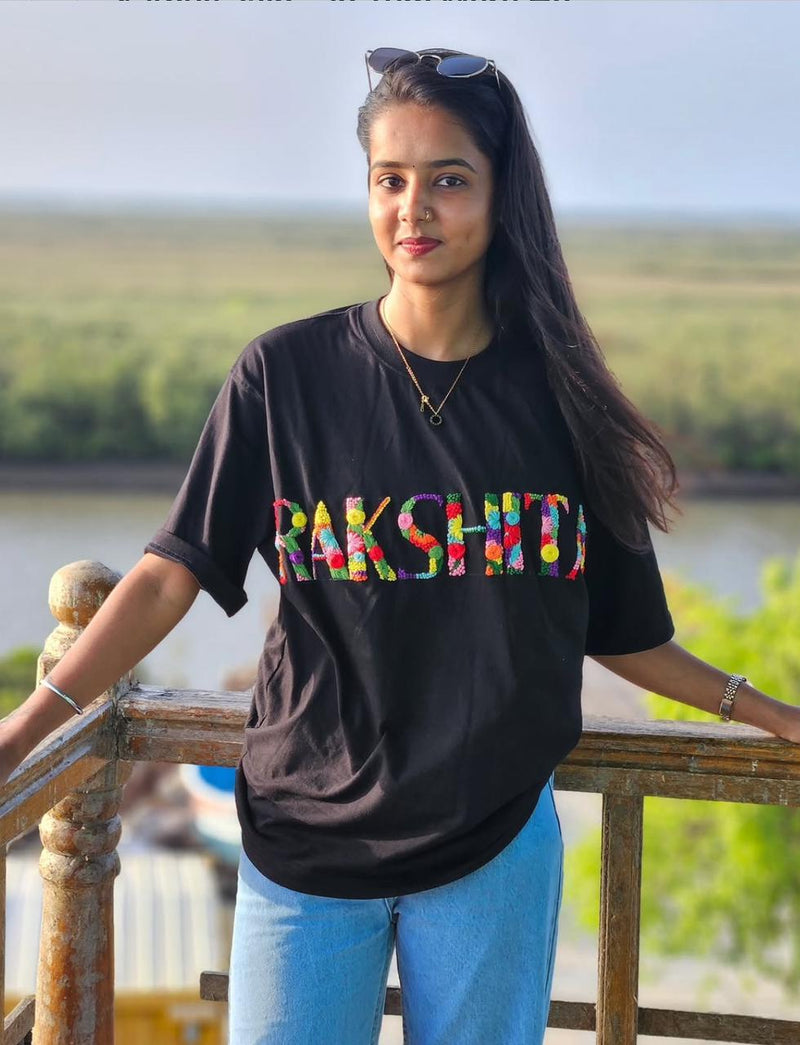
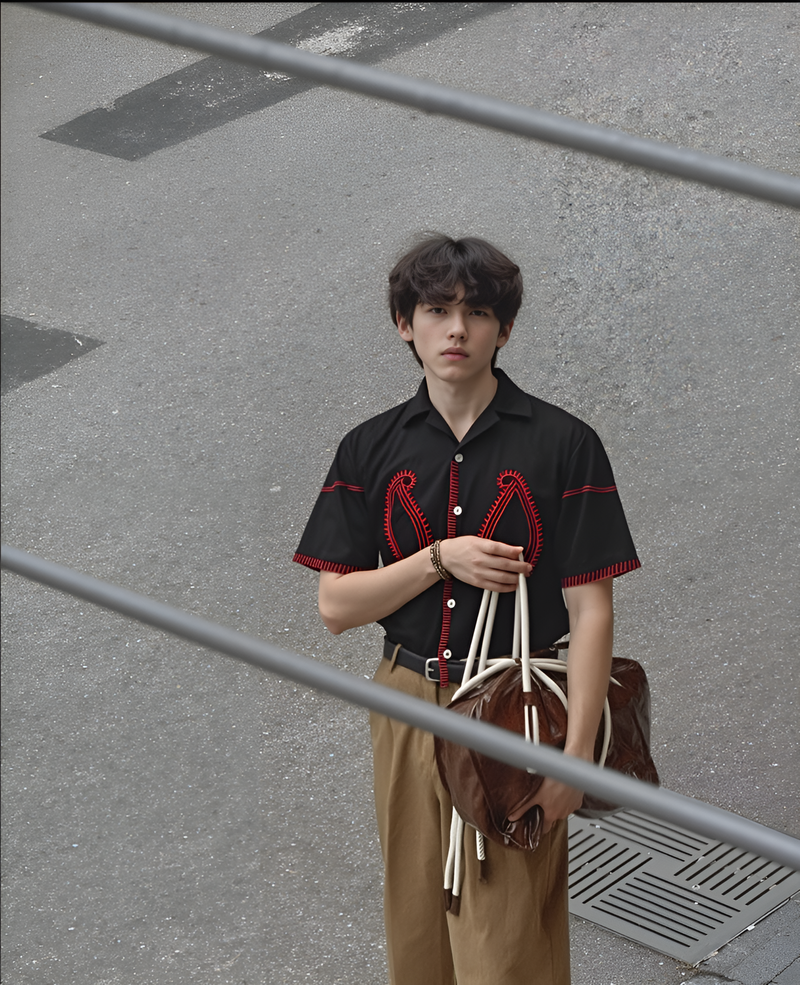
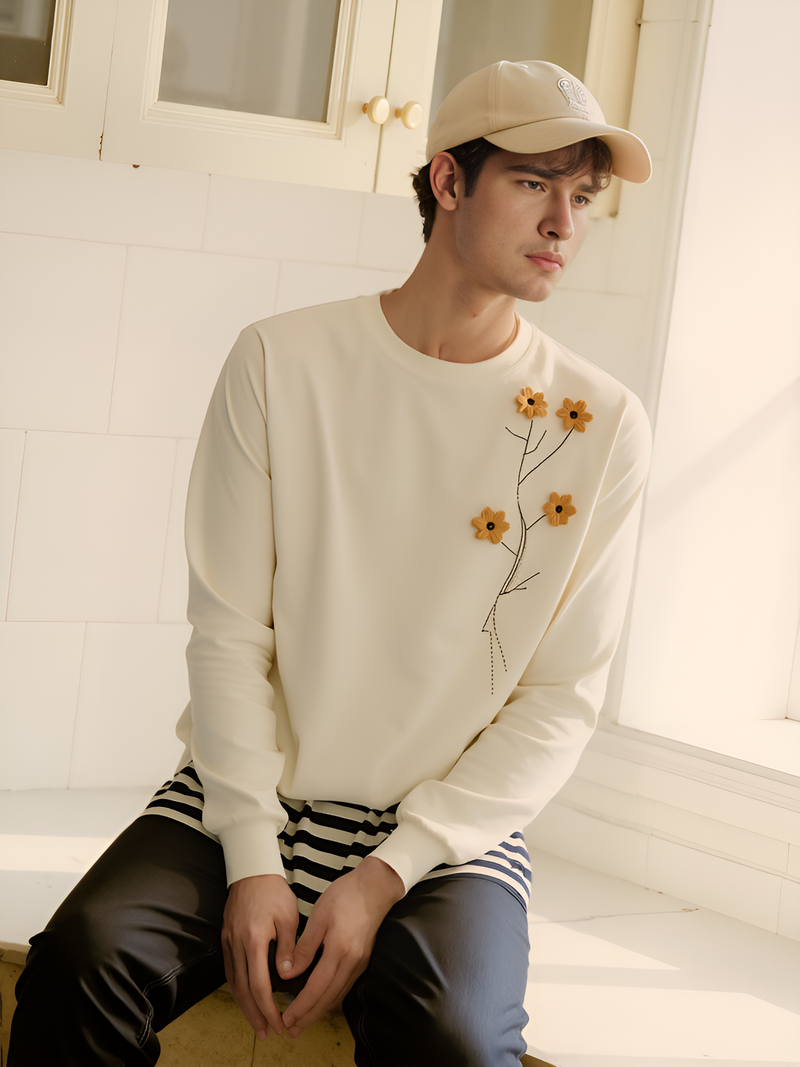
Where it falls down is texture and organic shape. Long-and-short shading for animal fur, layered petals where the thread direction changes to catch light, the slight irregularity that makes a hand-stitched motif read as made rather than printed. Look at the fur on the Meadow Herd or the layering in the floral collection and the difference is visible at arm's length.

When the price is not worth it
Gym wear, kids who are growing, runs over fifty pieces, and anything you need inside a week. We refer that work to machine units regularly. The cost-per-wear case, including where it fails.
And if the budget is the constraint rather than the principle, real hand work does exist at the entry price: what ₹1,200 to ₹1,500 buys.

Frequently asked questions
Why is hand embroidery so expensive?
Because it takes 2 to 14 hours of one person's time per garment, against about 40 seconds of machine time for a screen print. Artisan wages are roughly 44 per cent of the price.
Why does bulk ordering not reduce hand embroidery prices much?
There is almost no setup cost to spread across a run. The tenth garment takes the same hours as the first. Only design and sampling costs get shared, which is worth 8 to 12 per cent at twenty pieces.
What percentage of an embroidered T-shirt's price is labour?
About 44 per cent on a mid-range chest-motif design. The blank tee is another 17 per cent, with shipping, payment fees, finishing, design and thread making up the rest.
Is machine embroidery a cheaper alternative?
Yes, and for logos, uniforms and runs over fifty pieces it is the better choice. It costs ₹600 to ₹1,200 per shirt at single-unit volume and far less in bulk.
Is a ₹599 hand embroidered T-shirt possible?
No. The blank tee, courier and payment fees alone reach about ₹450, leaving nothing for hours of skilled work. Anything at that price is machine embroidery.
Who wrote this
Vee Threads is a hand-embroidery label run by Vikash Tomar and Mansi from a studio in Bulandshahr, Uttar Pradesh. Every piece is stitched by hand by women artisans on the studio floor, on 220 GSM combed cotton tees and 400 GSM sweatshirts. We have shipped more than 5,000 orders. Mansi runs the studio and quality control, Vikash handles the digital side. Prices, timings and hours quoted in this article come from our own production records, not from industry averages. Browse the hand embroidered T-shirt collection or start a custom hand embroidery order.







Share and get 15% off!
Simply share this product on one of the following social networks and you will unlock 15% off!