


The fabric decides more about how embroidery turns out than the stitching does. A skilled embroiderer on the wrong cloth produces a puckered mess; an average embroiderer on the right cloth produces something that looks fine for years.
Here's what works, what doesn't, and why.
The two things that actually matter
1. Woven or knitted. Woven fabric — shirting, linen, denim, canvas — has threads crossing at right angles and doesn't stretch. It holds a motif exactly where you put it. Knitted fabric — jersey, fleece, ribbing — stretches in every direction, so embroidery has to be worked with give or it fights the garment.
2. Weight. Measured in GSM (grams per square metre). Thread has weight and tension; if the fabric can't carry it, the fabric distorts. This is the single most common cause of puckering, and it has nothing to do with stitching skill.
Fibre type matters much less than either of these.
Woven or knitted: why it matters
Tap through. This is the first question to ask about any fabric.
Woven. Shirting, linen, denim, canvas. Threads cross at right angles and do not stretch, so the motif stays exactly where it was stitched.
Knit, at rest. Jersey, fleece, ribbing. Built from interlocking loops, which is what makes a t-shirt comfortable.
Knit, stretched. The same loops open up in every direction. Embroidery has to be worked with give, on a heavy enough knit, or it fights the garment every time it is worn.
The fabrics, ranked
Excellent
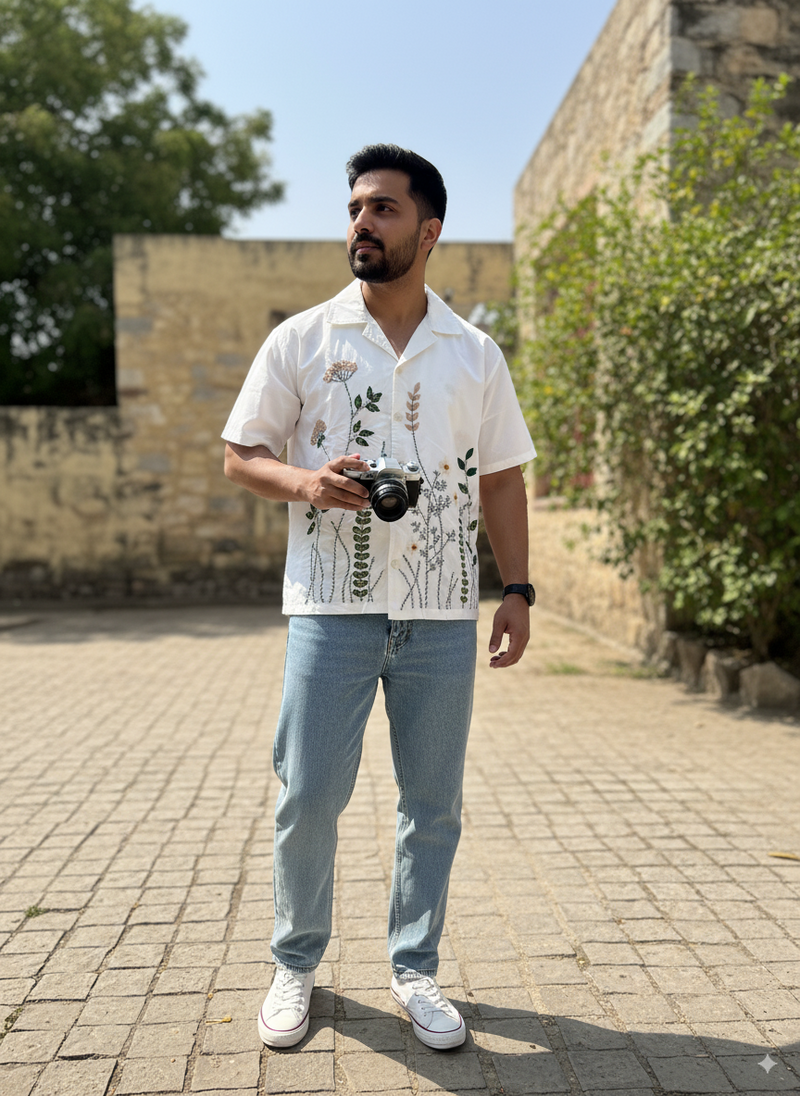
Cotton shirting (poplin, cambric, oxford) — the standard for a reason. Stable, smooth, takes fine detail, washes well, cheap. If you're learning, start here.
Linen — arguably the best embroidery fabric there is. Even weave, enough texture to grip thread, and it ages beautifully. Its slight irregularity flatters hand stitching in a way flat cotton doesn't. Traditional counted work like kasuti relies on being able to see and count the weave, which linen allows. It creases — that's the trade-off, and most people who embroider on linen stop minding.
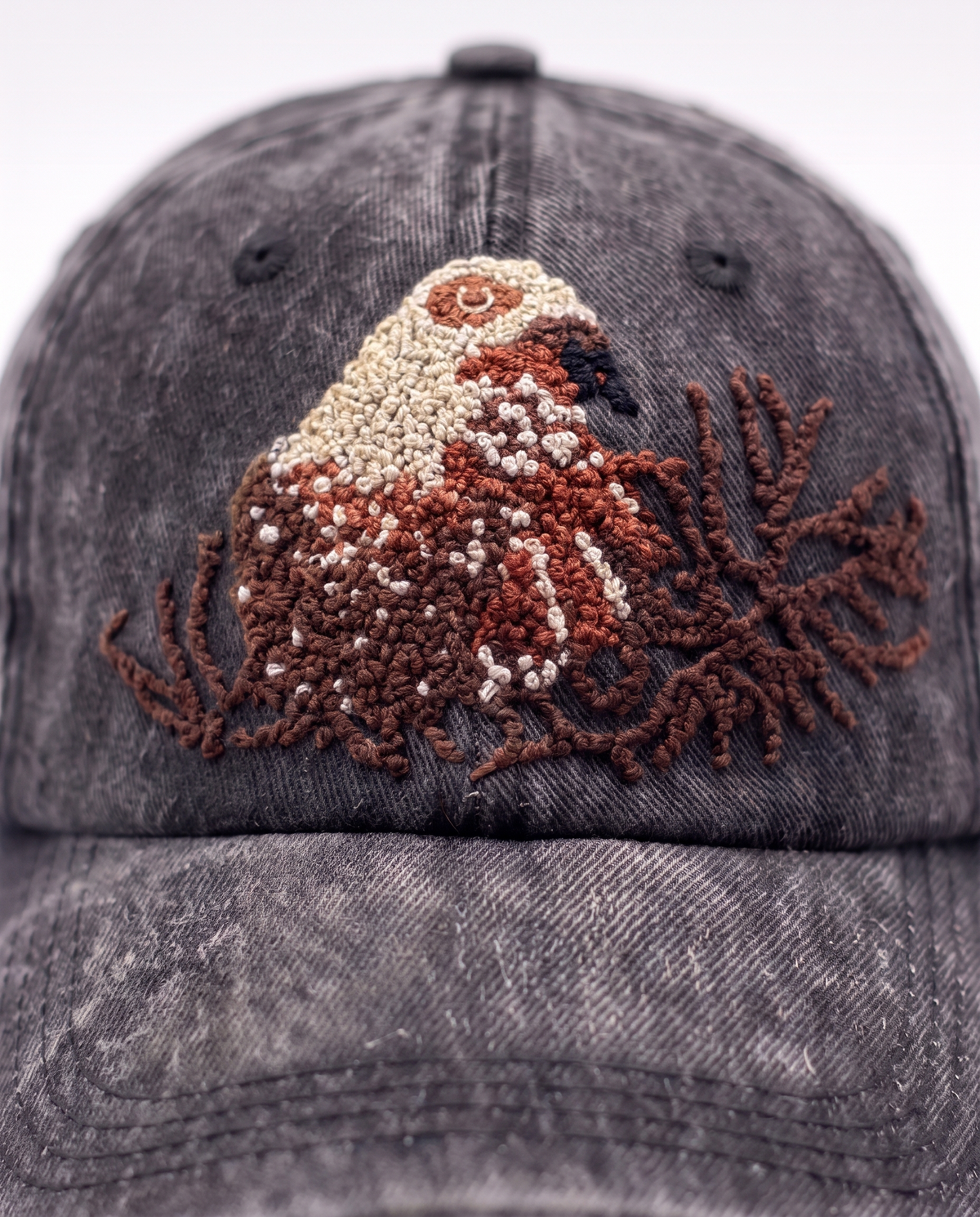
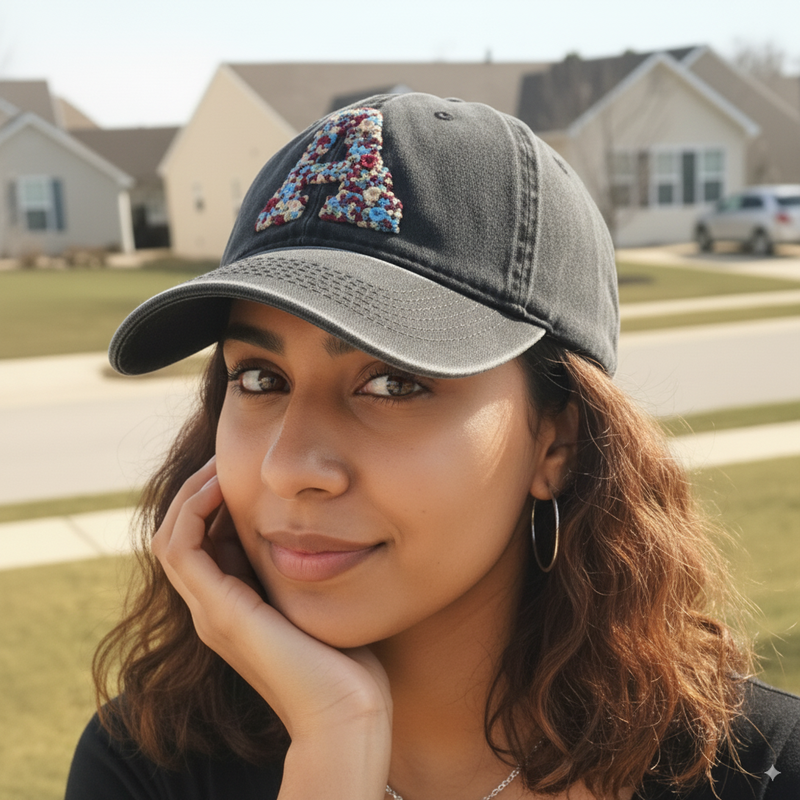
Denim and chambray — heavy, stable, and thread sits proud of the weave instead of sinking in. The most forgiving surface for a beginner and the best for bold work. Acid-wash denim gives you a mottled ground that makes coloured thread read brighter. It's why our caps are built on it.

Cotton canvas — everything denim does, with more structure. The right choice for tote bags and anything that needs to hold its shape.
Good with care
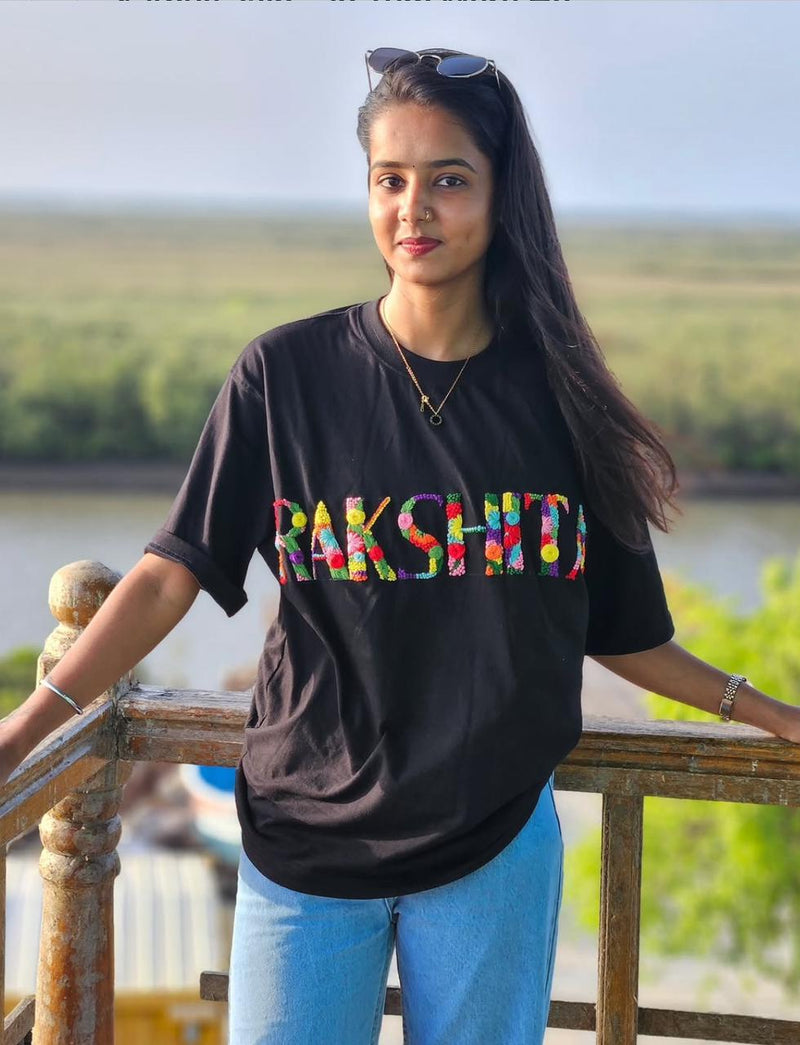
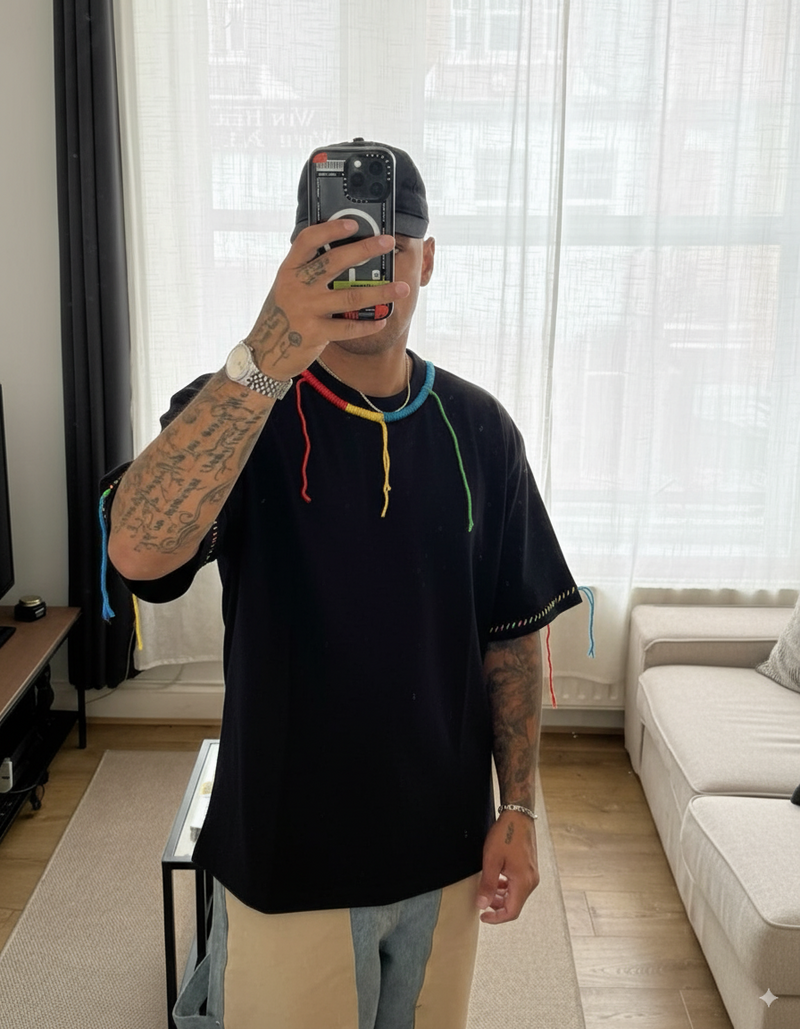
Heavy cotton jersey (220 GSM and above) — this is what our t-shirts are. Jersey stretches, so it's harder than any woven, but above about 220 GSM there's enough body to carry a motif without distorting. Below that it sags at the neckline within a few washes. This is exactly why we don't use lighter blanks.

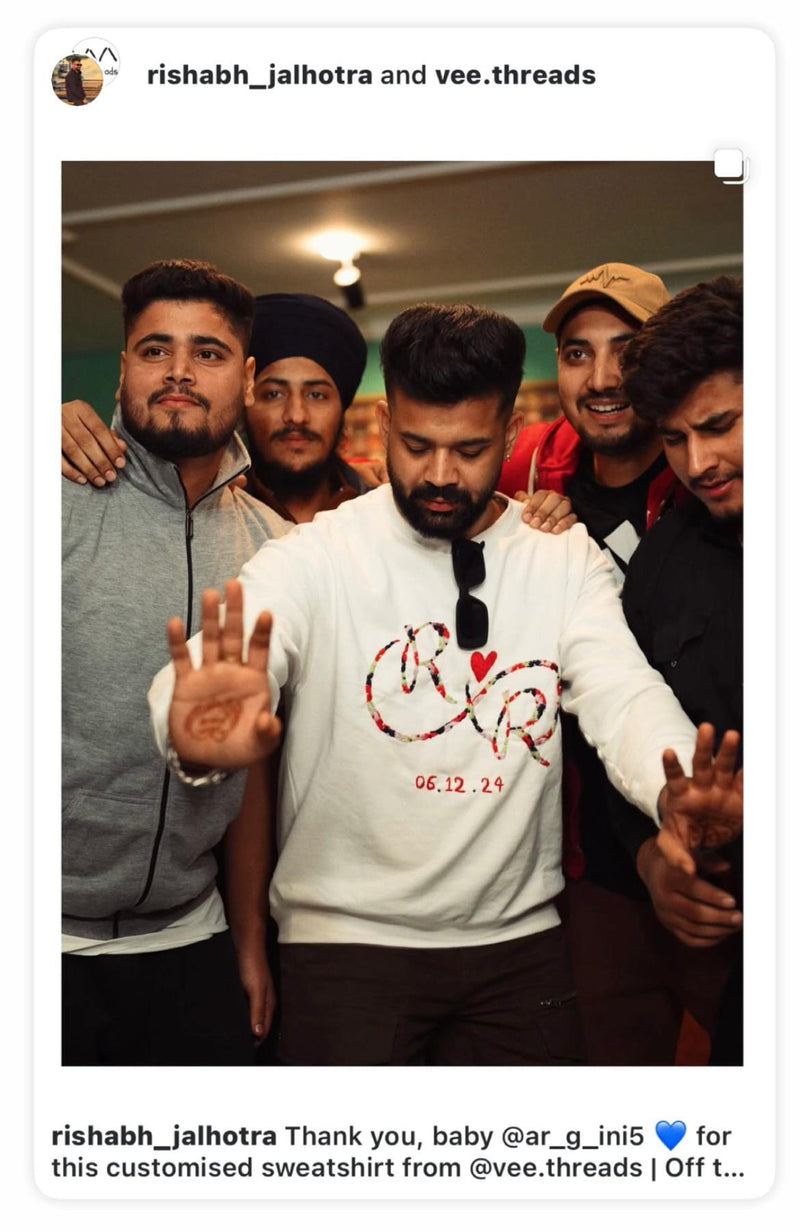
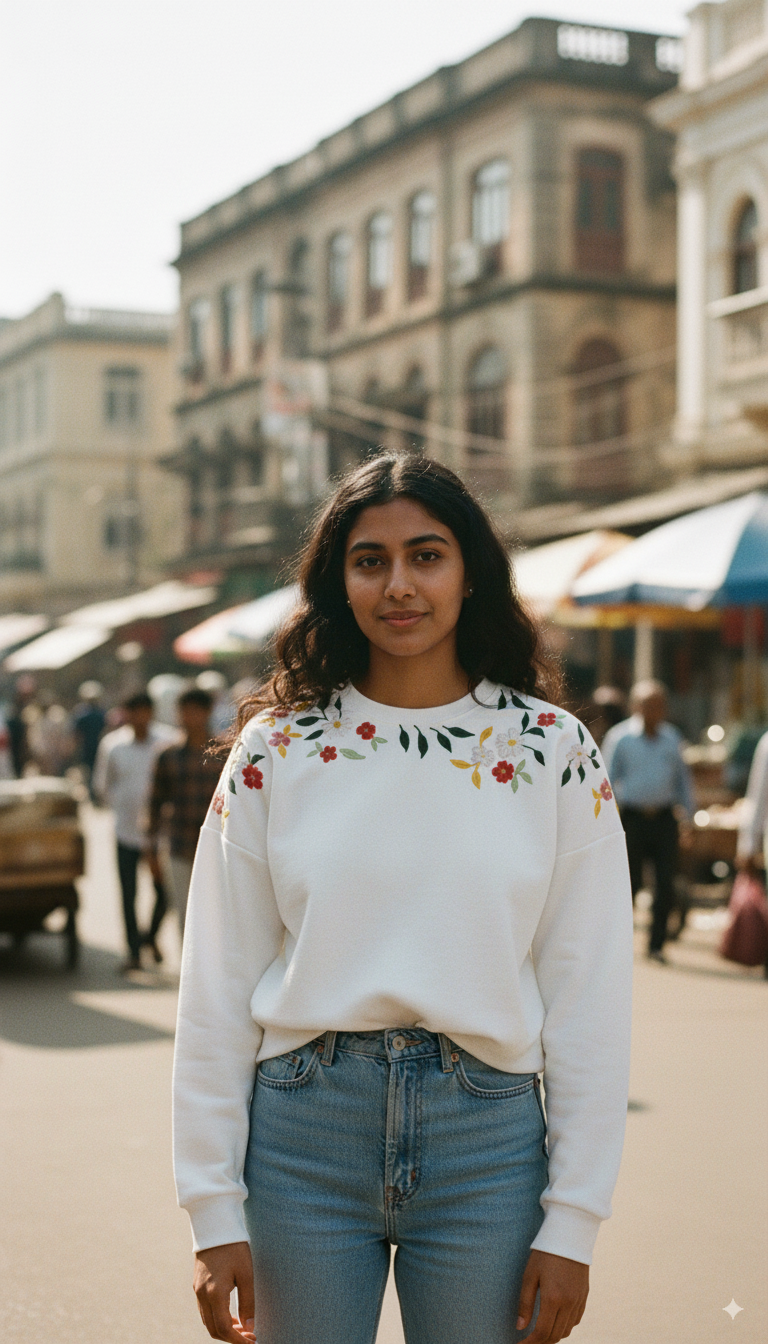
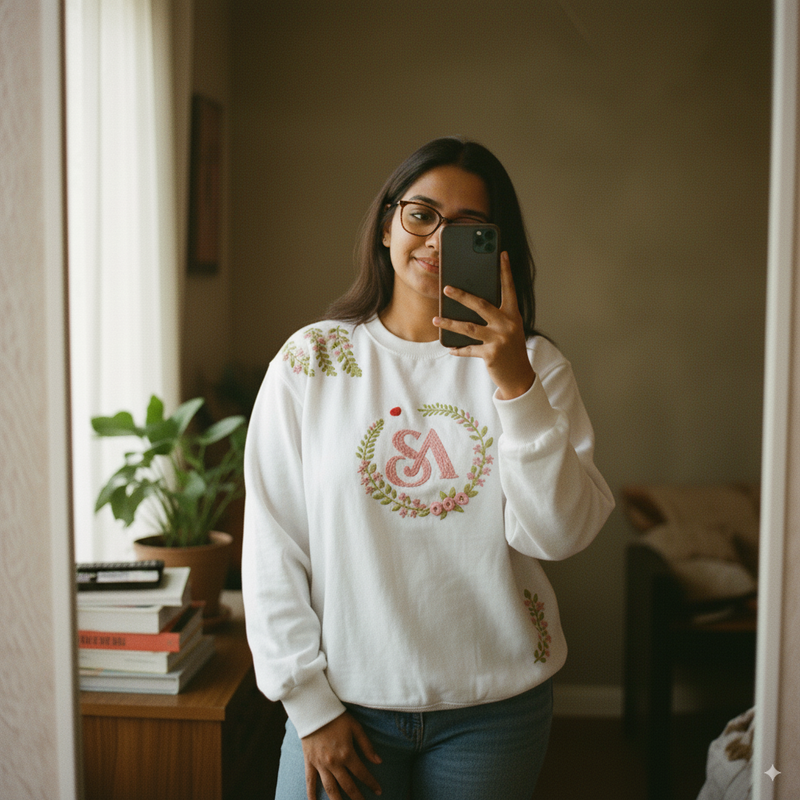
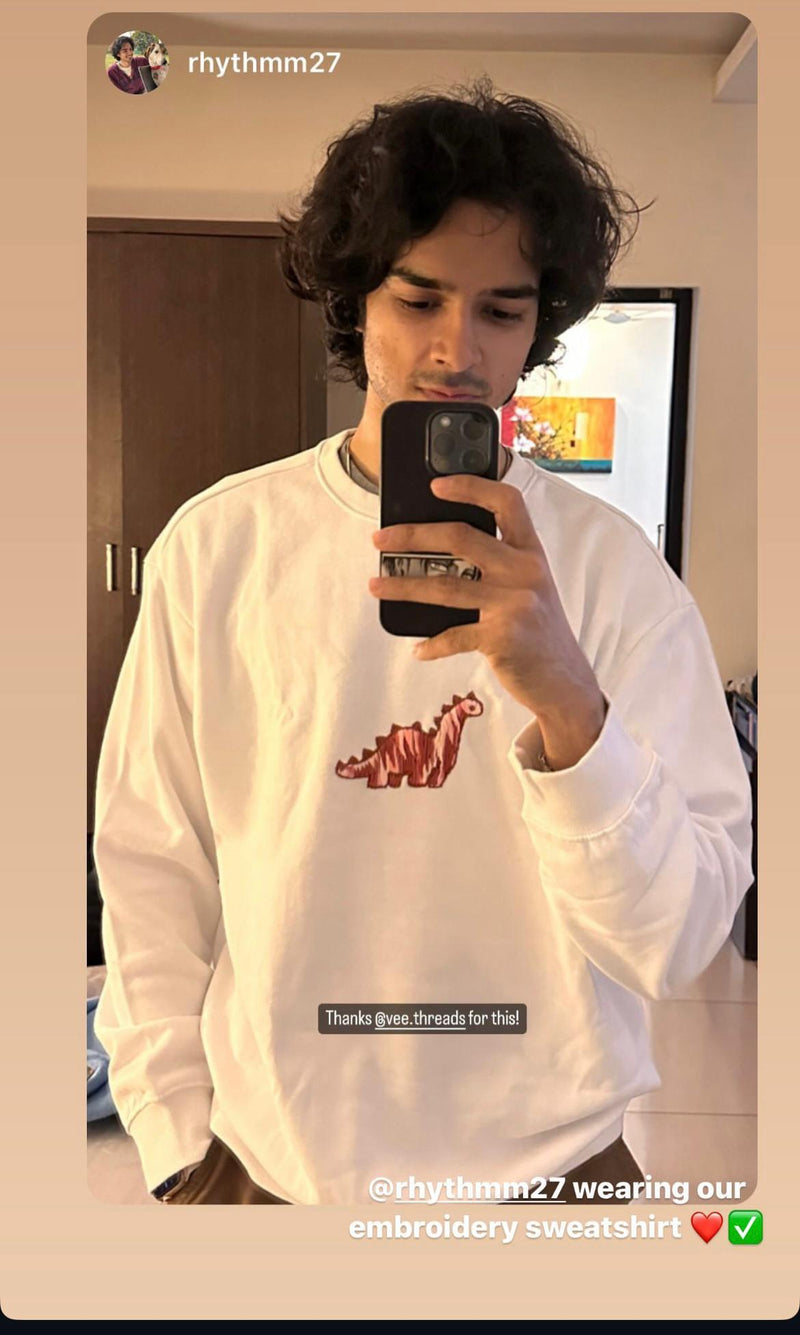
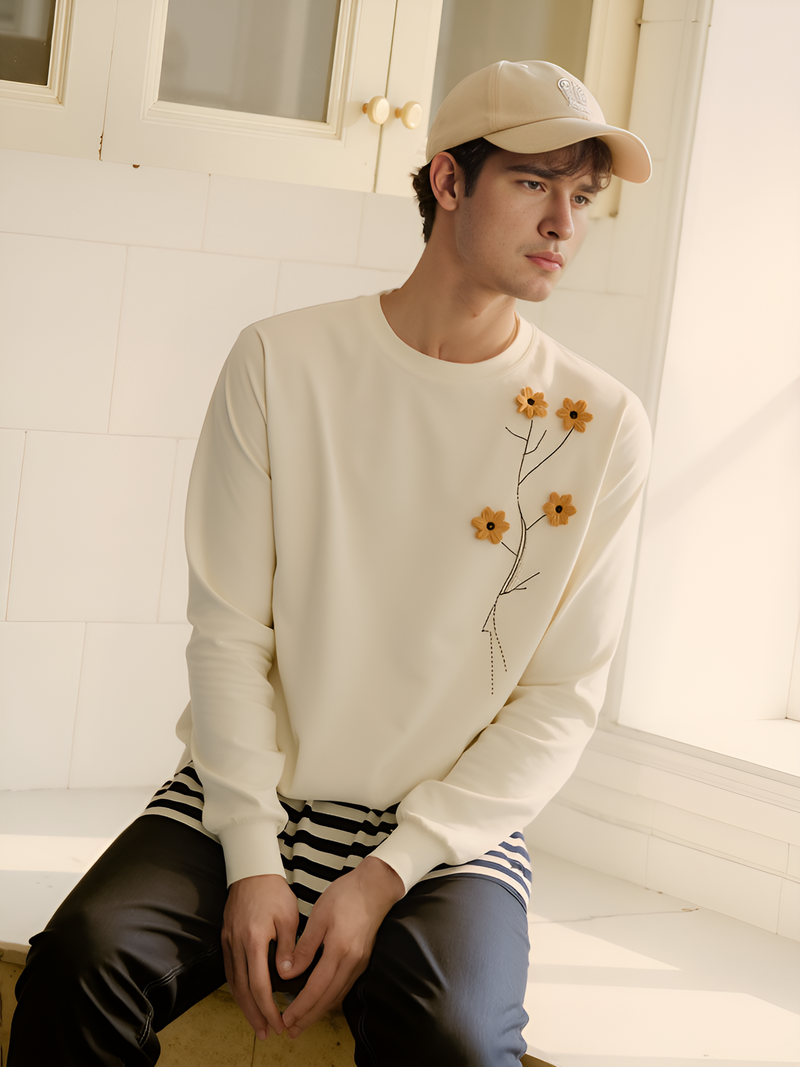
Cotton fleece (300–350 GSM) — sweatshirt fabric. Heavy enough for dense work, and the pile hides small tension inconsistencies. Our sweatshirts are 350 GSM because dense floral panels need that much body underneath.

Muslin and voile — fine, semi-transparent, and the traditional base for chikankari, where transparency is the point. Very light thread only.
Chanderi and organza — sheer with structure. Beautiful, but every knot on the reverse shows through.
Difficult
Silk and satin — gorgeous, and unforgiving. Slippery under the needle, and every needle hole is permanent. Unpick one stitch and the mark stays. For experienced hands only.
Velvet — the pile swallows fine detail and crushes where hooped. Traditional for zardozi, which sits on top of the pile rather than in it.
Wool and tweed — fine for bold work in wool thread, poor for fine cotton detail.
Avoid
Lightweight jersey under 180 GSM — the most common mistake in commercial embroidered clothing. It will pucker, and no amount of stabiliser fully fixes it.
Polyester and poly blends — the needle drags, the thread doesn't seat, and the finish never looks quite settled. Machines handle polyester fine; hands don't.
Anything with elastane or spandex — it stretches and recovers constantly. Embroidery creates a rigid patch that fights the garment every time it's worn.
Very loose weaves — stitches slip between threads and won't hold their position.
Coated, waxed or laminated fabric — every needle hole is permanent and visible.
GSM quick reference
| GSM | Typical fabric | Suitability |
|---|---|---|
| Under 120 | Voile, muslin, chiffon | Fine work only, 1–2 strands |
| 120–180 | Light jersey, light poplin | Marginal — needs stabiliser |
| 180–220 | Standard t-shirt jersey | Small motifs only |
| 220–250 | Heavy jersey, shirting | Good — our t-shirt standard |
| 250–300 | Canvas, light fleece | Very good |
| 300–400 | Fleece, denim, heavy canvas | Excellent — our sweatshirt standard |
| 400+ | Heavy denim, upholstery | Excellent, but hard on the hands |
Pick a weight, see what it can carry
The GSM scale, coloured by how well each band takes hand embroidery.
Under 120 GSM. Fine work only, 1 to 2 strands.
120 to 180 GSM. Marginal. Needs a stabiliser.
180 to 220 GSM. Small motifs only.
220 to 250 GSM. Good. Our t-shirt standard.
250 to 300 GSM. Very good.
300 and up GSM. Excellent. Our sweatshirt standard is 350. Past 400 it gets hard on the hands.
When you need a stabiliser
A stabiliser is a backing layer that stops fabric distorting under the needle. You need one for:
- Any knit under about 220 GSM
- Dense fill on any knit
- Loose weaves
- Anything sheer where you can accept a wash-away type
Types: tear-away (wovens, removes cleanly), cut-away (knits, stays permanently and keeps supporting the stitching), wash-away (sheers and lace), iron-on (convenient, but adds stiffness that never leaves).
A garment with cut-away stabiliser will always feel slightly stiff behind the motif. That's the trade-off for a design that doesn't distort. Using a heavier base fabric instead is the better answer where you can.
Four stabilisers, and what each leaves behind
A backing layer that stops fabric distorting under the needle. Tap a type.
Tear-away. For wovens. Removes cleanly.
Cut-away. For knits. Stays permanently and keeps supporting the stitching, so the garment will always feel slightly stiff behind the motif. That's the trade-off for a design that doesn't distort.
Wash-away. For sheers and lace: anything sheer where you can accept a wash-away type.
Iron-on. Convenient, but adds stiffness that never leaves.

Pre-wash. Always.
Cotton shrinks 3–5% on the first wash. Embroider first and the fabric shrinks around the stitching, which doesn't — and you get permanent puckering that looks exactly like bad tension.
Wash and fully dry the fabric before you start. Non-negotiable, and it's the mistake people make exactly once.
Read next: Which Thread Is Used for Embroidery?
We embroider on 220–240 GSM cotton for tees and 350 GSM cotton fleece for sweatshirts — heavy enough to carry dense thread without puckering. See the range.






Share and get 15% off!
Simply share this product on one of the following social networks and you will unlock 15% off!