



There's a flood of similar-looking shirt embroidery online, and the quality differences are often invisible until you've worn the shirt a few times. Some is real artisan work, some is machine-made, some is printed and sold as embroidery. This guide walks through what makes a shirt embroidery design good: placement, thread, fabric, and time. Use it as a checklist before you spend money.
1. Placement
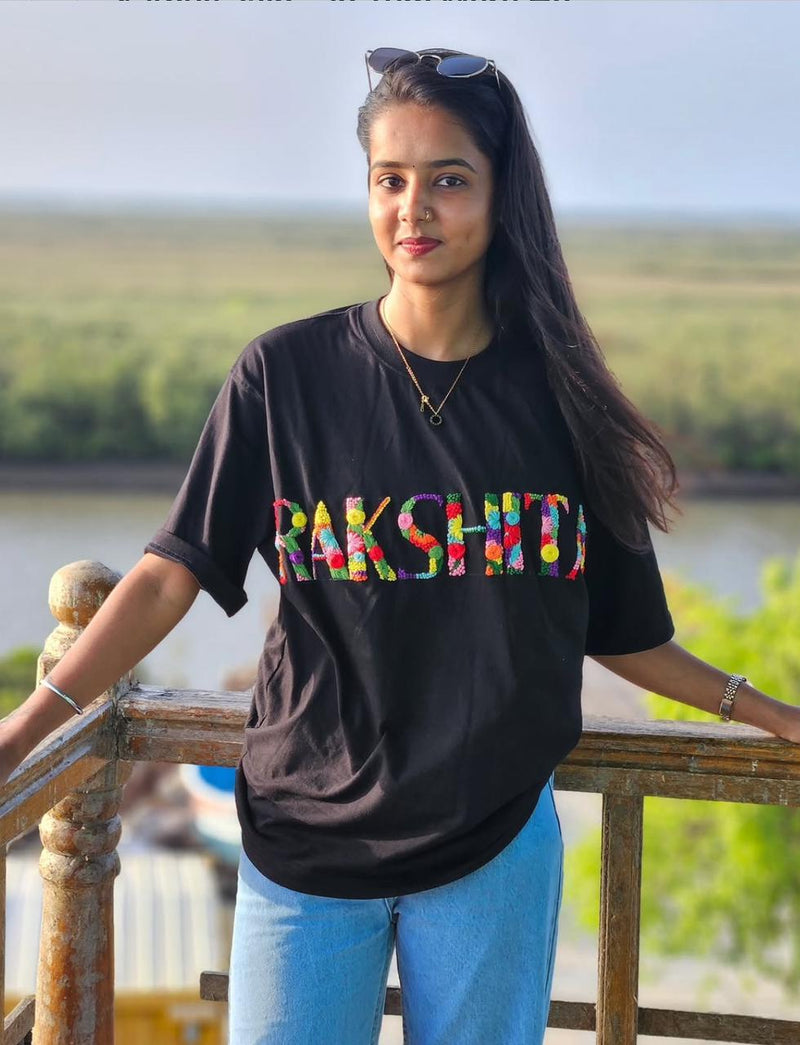
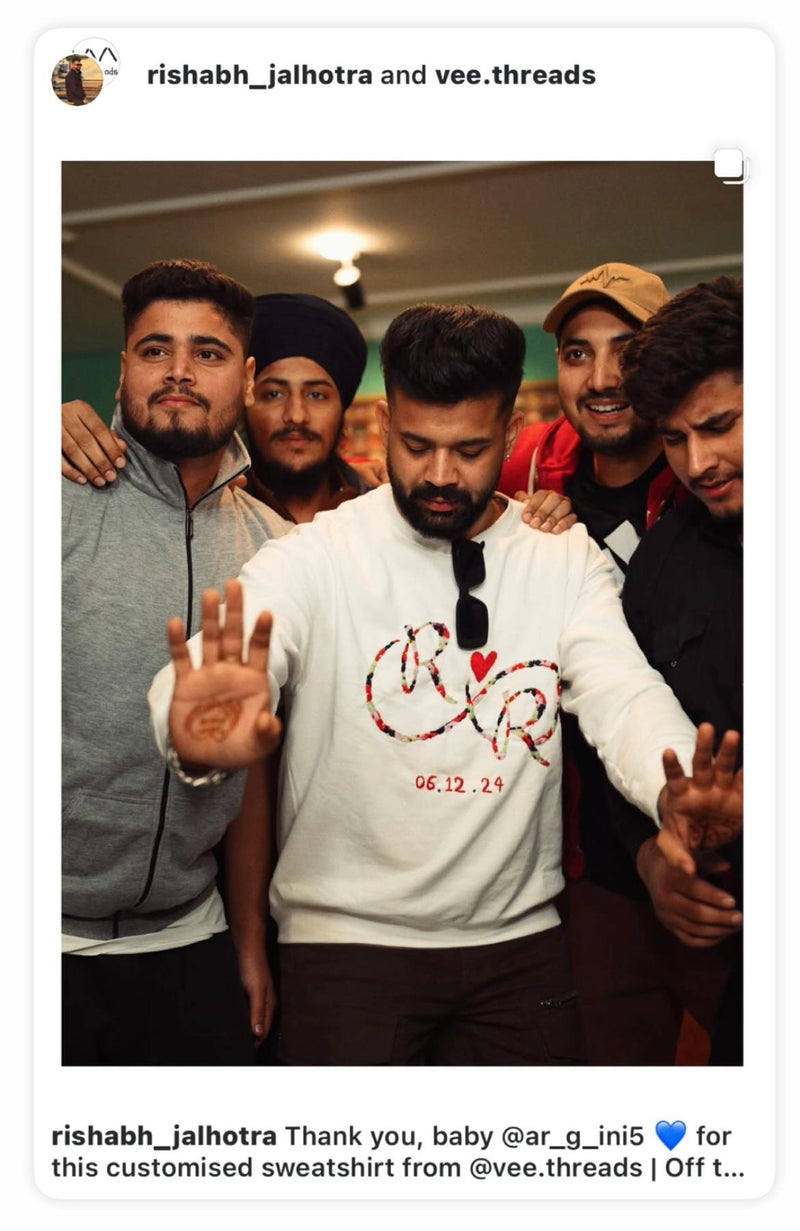
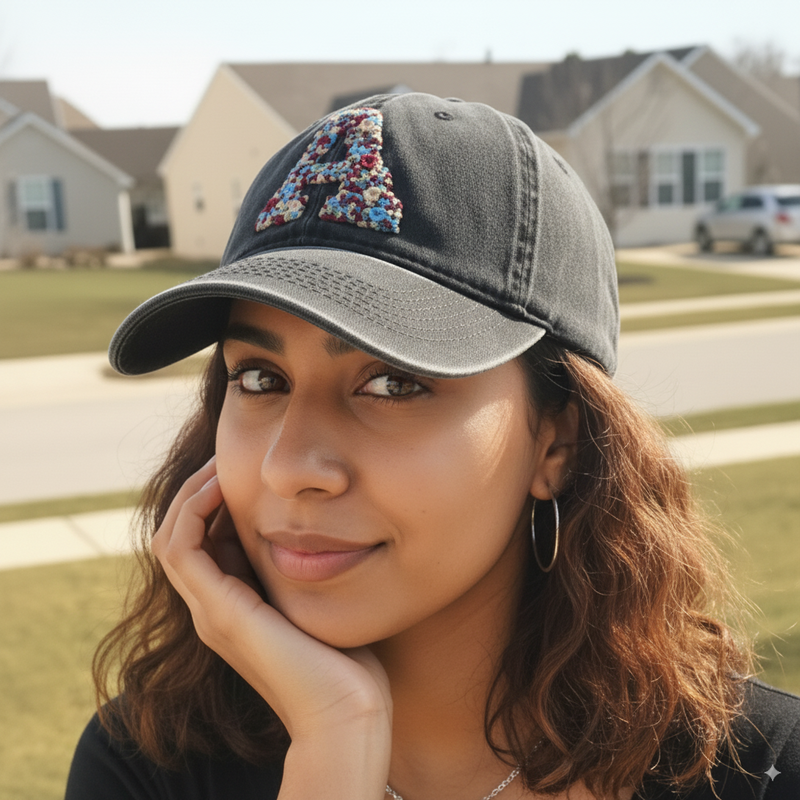
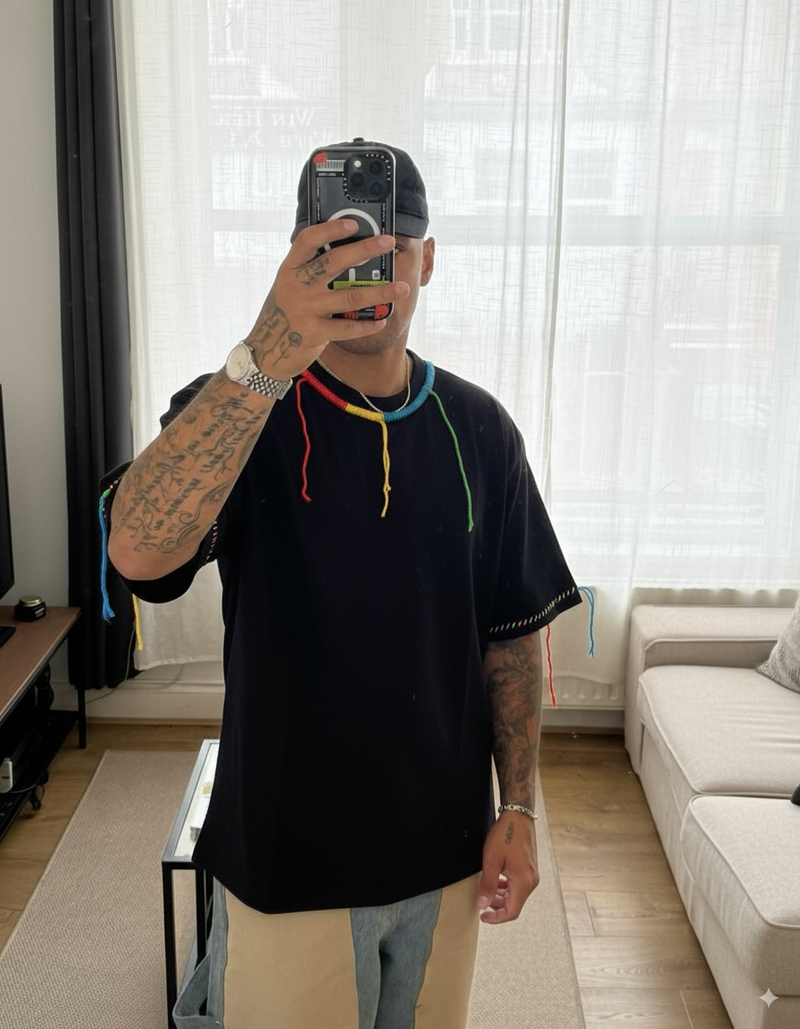
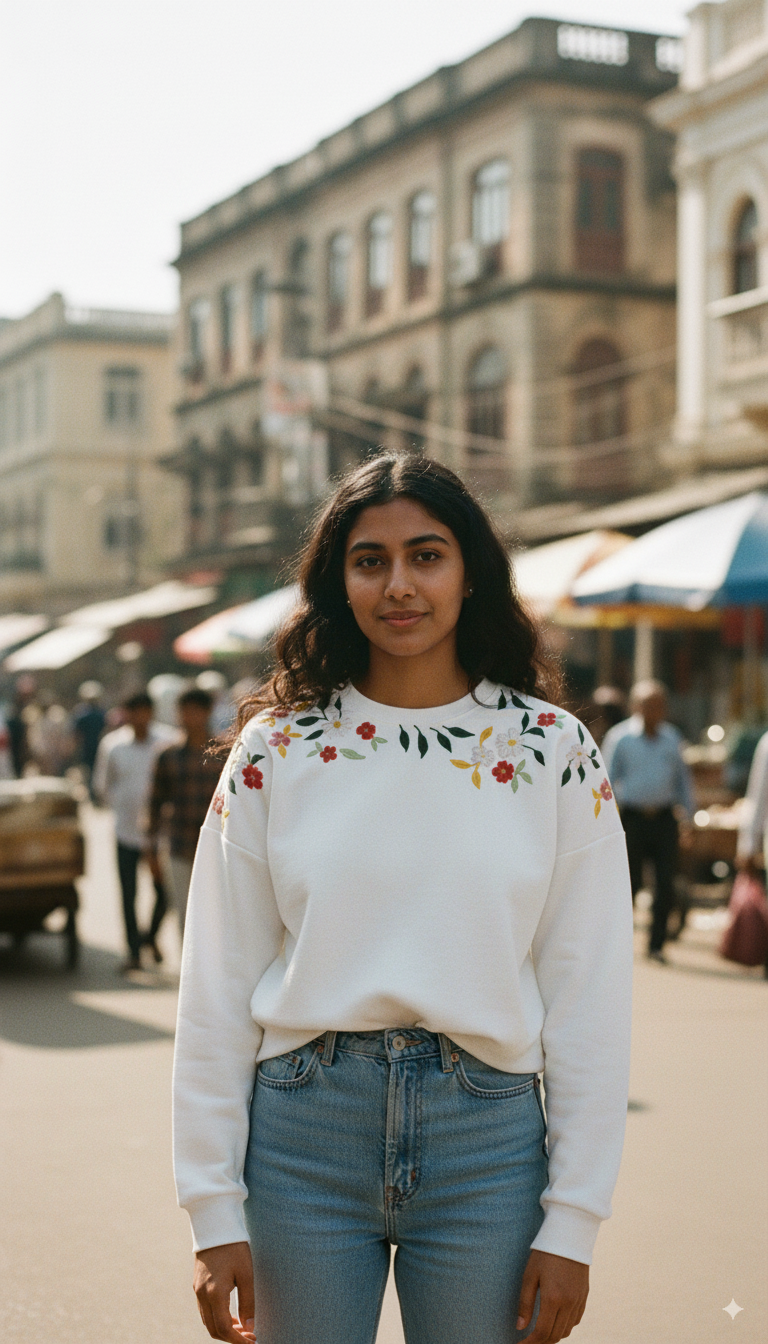
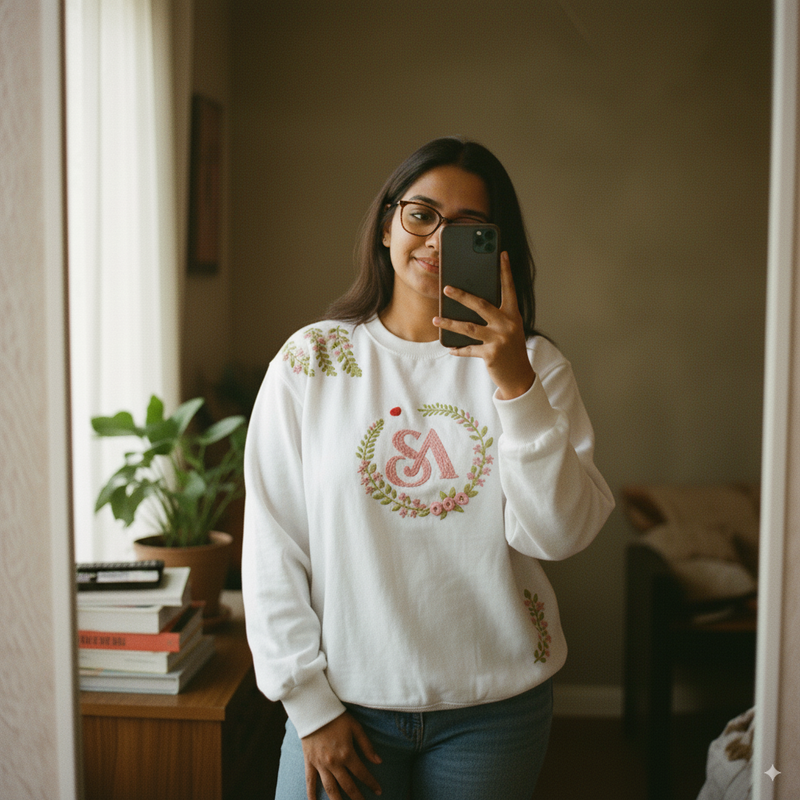
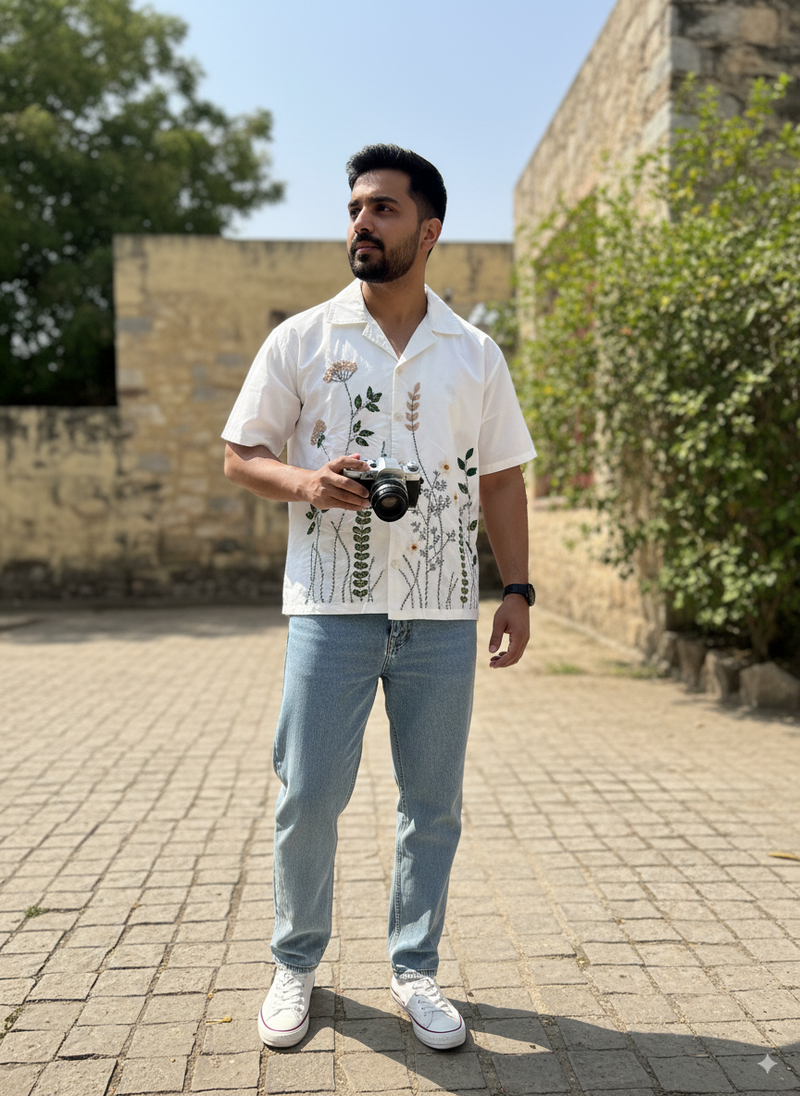
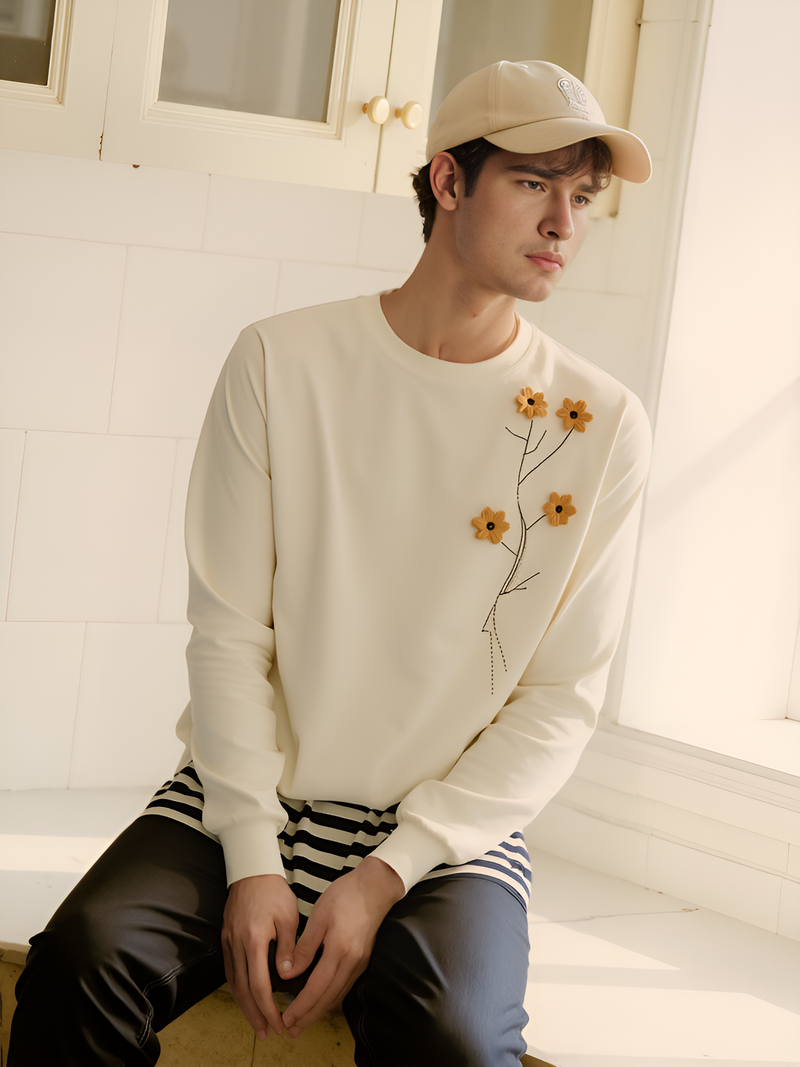
Placement is the biggest factor in whether embroidery looks intentional. The left chest, where a pocket would go, is the most universal and works for nearly any motif. The centre chest, below the collar, suits symmetrical designs like circular motifs and monograms. A full-front spread from the shoulder across the chest suits ambitious pieces like garlands and landscapes. Small motifs along the collar are subtle, noticed when you turn your head. And small motifs on the sleeve or near the hem are the quietest option, more a personal touch than a statement.
2. Thread
Thread decides how long the embroidery lasts. Cotton thread is soft, has natural give, and ages well, which is what we use for most designs. Silk thread shines but is more delicate, suited to occasion pieces. Polyester thread, common in cheap machine work, holds bright colour but can feel plasticky and pucker the fabric over time. Metallic thread is good for accents but should be properly finished so it doesn't scratch. If you don't know what a piece uses, ask, since real studios will tell you.
3. Fabric
The fabric changes everything. A lighter cotton is best for summer tees with small designs, but heavy embroidery on light fabric puckers. A mid-weight cotton supports most embroidery with good drape. Heavier fabric, like a sweatshirt weight, holds up to dense embroidery. The mismatch is the problem: a dense floral garland on very light cotton will warp within a few washes, and a tiny motif on a heavy sweatshirt looks lonely.
4. Time
An honest seller can tell you roughly how long your design took. Hand work is slow: a small monogram is a couple of hours, a single floral motif a few hours, and a full-back design takes days. If a seller says a detailed hand-embroidered shirt took twenty minutes, something doesn't add up. For reference, our custom pieces take about 2 to 3 days, and more detailed designs take 5 to 10 days.
5. Colour and contrast
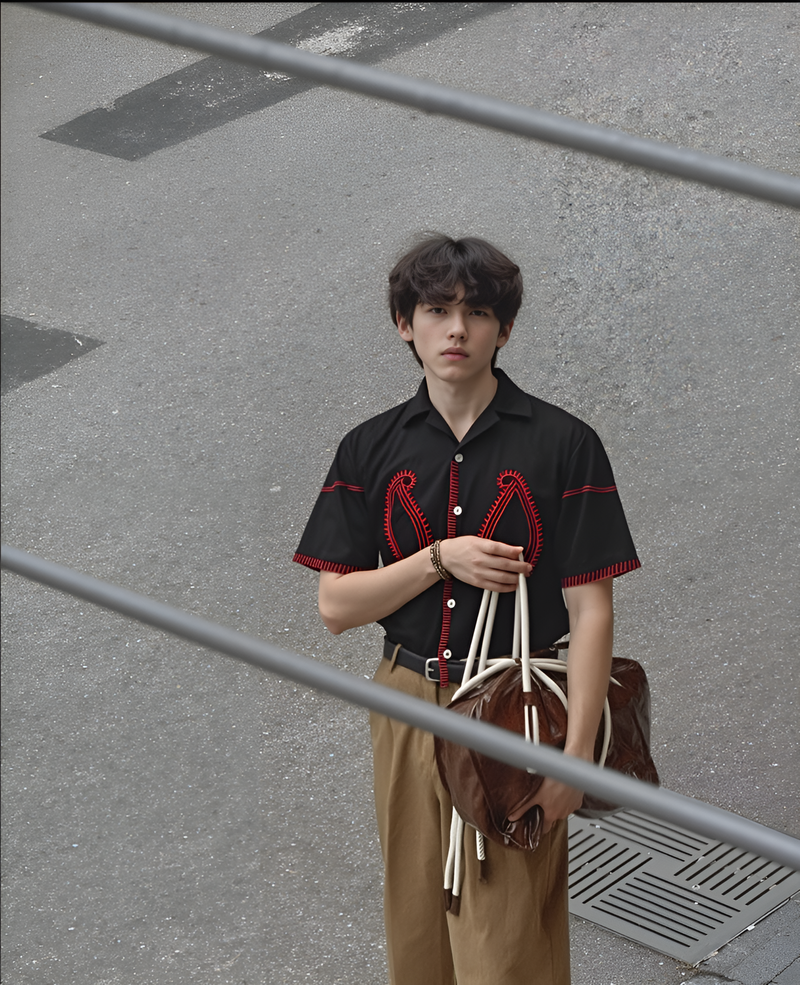
The relationship between fabric and thread decides how visible the design is. High contrast, like white on black, is bold and readable from a distance, best for graphic designs. Medium contrast, like navy on cream, is visible but refined, good for everyday wear. Low contrast, like cream on white, is quiet and only shows up close. Multi-colour designs work best on white or cream, since they get muddy on dark fabric.
What to avoid
Pieces that look identical to each other in every product photo are machine work. So are designs with perfectly uniform stitch spacing, since a human hand always has slight variation. Be wary of pieces sold very cheaply as hand embroidered, designs that look pulled from a logo template, and embroidery placed in awkward spots like the lower side panel, which usually means the seller is filling a gap rather than designing.
How to check a piece
In person, run your finger over the embroidery, since real hand work has texture and print is flat. Flip the shirt inside out, since hand work has a slightly messy back with knots and machine work looks clean. Hold it up to the light, since hand work has small natural variations in density. Online, read the description for specifics about the fabric and process rather than vague premium language, check that the product photos aren't all identical, and look for a real studio behind the brand.







Share and get 15% off!
Simply share this product on one of the following social networks and you will unlock 15% off!