



If you have never bought hand embroidered clothing before, it is hard to know what you are paying for. Two tee shirts can look almost the same in a photo. One costs three hundred rupees and one costs three thousand. Nothing on the screen tells you why.
This guide explains what hand embroidery actually is, how to tell it apart from machine work, and what to check before you buy your first piece. No craft jargon. Nothing you need to already know.
What hand embroidery means
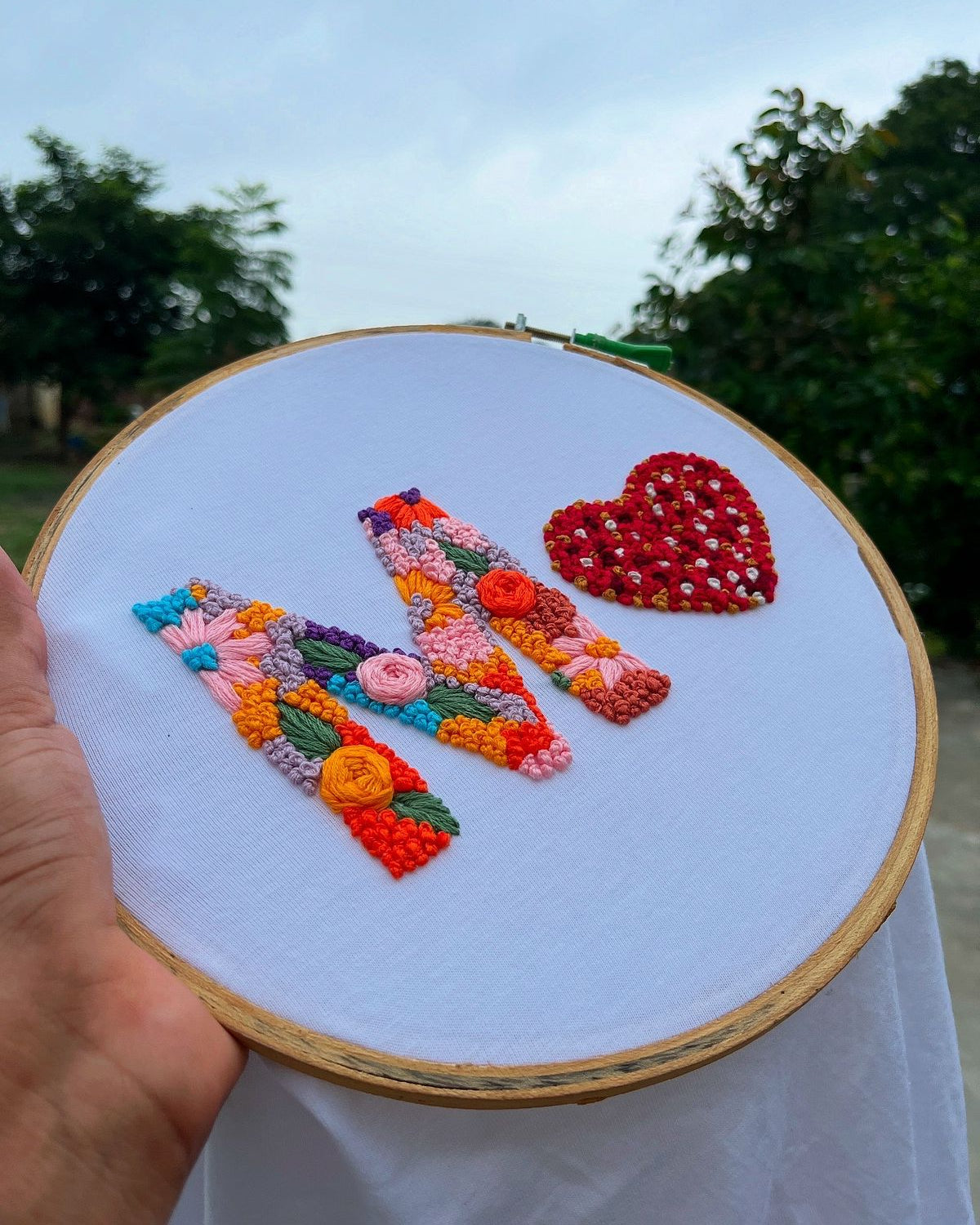
Hand embroidery is decoration stitched into fabric with a needle held by a person. The thread passes through the cloth, loops back, and is knotted off at the end. That is the whole idea, and it has not changed in a few thousand years.
The important word there is through. A printed design sits on the surface of a tee shirt like a sticker. A hand stitched design is part of the cloth. You can turn the garment inside out and see the back of the work, which is one of the quickest ways to check what you have bought.
Machine embroidery also uses real thread, so it is not the same as a print. But a machine works from a digitised file onto a stiff backing sheet that stays in the garment afterwards. It is faster and every piece comes out identical. Hand work takes hours and no two pieces are exactly alike. We wrote a longer comparison on hand embroidery versus machine embroidery if you want the full breakdown.
On the cloth, or through it?
A slice through the fabric. This is what you are really choosing between.
Printed. The design sits on the surface like a sticker. Cheap and fast, and it cracks and peels over time.
Machine embroidery. Real thread through the cloth, but worked from a digitised file onto a stiff backing sheet that stays in the garment. Fast, and every piece is identical.
Hand embroidery. Thread passed through the cloth by a person and knotted off. Hours of work, no backing, and no two pieces exactly alike. Turn it inside out and you can see it.

How to tell hand work from machine work
Most people cannot spot the difference in a product photo, and honestly, most sellers do not make it easy. Here is what actually works.
Turn it inside out. Machine embroidery leaves a neat, dense, almost printed looking reverse, usually sitting on a piece of stabiliser backing that feels like thin paper or plastic. Hand embroidery leaves a looser reverse with visible thread paths and knots, and there is no backing sheet.
Look for small differences. If a design has six flowers and all six are identical down to the last stitch, a machine made it. Hand stitched petals sit slightly differently from each other. That variation is not a flaw. It is the evidence.
Feel the area around the design. Machine work often leaves the fabric slightly stiff where the backing sits. Hand work leaves the cloth soft, because there is nothing in it except thread.
Be careful with the word handmade. Plenty of listings use it loosely. Some pieces described as handmade are machine embroidered and then finished by hand. If a seller cannot tell you where the stitching was done and by whom, that usually answers the question.
What it is like to wear
This is the question new buyers ask most and the one product pages tend to skip.
On the front, you feel the fabric, not the thread. On the inside, directly behind the design, there is a slightly textured patch where the stitching crosses. It is noticeable the first time you put the garment on and most people stop registering it after a wear or two. On a heavier cotton it is barely there at all.
Placement matters more than anything else here. Stitching on the chest or a sleeve sits away from the skin most of the time. Stitching around a neckline is closer to a sensitive spot, so it is worth thinking about if you are buying for someone with sensitive skin. There is more detail in our piece on what hand embroidery actually feels like to wear.
The styles you will come across in India
India does not have one embroidery tradition. It has dozens, and they are not interchangeable. Four names cover most of what you will see when shopping.
Kantha comes from Bengal and eastern India. It is built from simple running stitches worked in rows, and it started as a way of quilting old cloth into something new. It reads as texture more than picture.
Shisha, also called mirror work, anchors small mirrors to the fabric with a frame of thread. No glue holds them. The stitch itself is the fixing, which is why good shisha work stays put and cheap imitations do not. We explain the technique in our guide to mirror work.
Chikankari is the fine white on white work from Lucknow, usually on light cotton or muslin.
Surface embroidery is the broad category most floral and animal designs fall into. Satin stitch fills shapes, chain stitch draws lines, and French knots make small raised dots. Most of what you see on a modern embroidered tee is some combination of those three.
If you want to go deeper, our plain guide to Indian hand embroidery styles covers the regional traditions properly.

What to check before you buy
Five things separate a piece you will keep from one you will regret.
Fabric weight
Look for the GSM number, which means grams per square metre. It tells you how heavy the cotton is. Light tee shirt cotton sits around 160 to 180 GSM. Our tees are 220 GSM and our sweatshirts are 350 GSM. That extra weight matters for embroidery specifically, because thin fabric puckers and warps around the stitches and thicker fabric holds its shape. Heavier cotton is also opaque enough that the back of the stitching does not shadow through on pale colours. Our post on what makes a good embroidered tee goes further into fabric and stitching quality.

Design size and stitch density
A large design is not automatically better. A small, densely worked motif takes more skill and more hours than a big loose one. Look at how tightly the thread sits. Gaps where the fabric shows through a filled shape usually mean rushed work.
Where the design sits
Chest, sleeve, neckline, hem and back all wear differently and all age differently. A design on the chest of an oversized tee sits lower than you expect once the garment is on. Check the fit guidance too, because oversized cuts vary a lot between brands. Ours is explained in our oversized fit guide.
Whether it is thread or a patch
Some sellers stitch a design onto a separate piece of fabric and then attach or iron that patch onto the garment. It is quicker and cheaper. It also lifts at the edges after a few washes. Ask whether the design is stitched directly into the garment.
Who made it
A brand that works with real artisans can tell you where. If nobody will say, assume a factory. Ours are stitched in a village in Bulandshahr, Uttar Pradesh, by women who live near the studio. The studio is run by Mansi and Vikash, and we have shipped more than 5,000 orders across India. You can read about that on our about page.
Five checks before your first piece
Tap through them. Each one takes seconds on a product page.
Fabric weight. Light tee cotton is 160 to 180 GSM. Heavier cotton, like our 220 GSM, holds its shape around the stitches and hides the back of the work.
Stitch density. A small, tightly worked motif beats a big loose one. Fabric showing through a filled shape usually means rushed work.
Placement. Chest, sleeve, neckline, hem and back all wear differently. On an oversized tee, a chest design sits lower than you expect.
Thread or patch. A patch stitched separately and attached is quicker and cheaper, and it lifts at the edges after a few washes. Ask if the design is stitched straight into the garment.
Who made it. A brand that works with real artisans can tell you where. If nobody will say, assume a factory.
Why it costs what it costs
The fabric is a small part of the price. The labour is most of it.
A machine can finish a design in minutes. A person stitching the same design by hand takes hours. That time is the product. When you compare a hand embroidered tee to a printed one and the printed one is a fifth of the price, you are not comparing two versions of the same thing. You are comparing a few minutes of machine time to most of a working day.
It is worth knowing where that money lands. Hand embroidery is one of very few skilled trades that can be done from home on a flexible schedule, which makes it one of the few paid options available to women in villages with almost no other work. Our post on why hand embroidered clothing costs more covers this in full.
Looking after your first piece
Hand embroidery is more durable than most people expect, and easier to care for than the price tag suggests.
Wash it inside out on a gentle cycle in cold water. Skip fabric softener. Air dry it flat rather than putting it in a tumble dryer. When ironing, work on the reverse and never press the iron onto the front of the stitching, because that flattens the thread and removes the texture you paid for.
One reassuring thing about hand work is that it cannot peel. There is no glue and no heat pressed layer to lift, which is the usual failure point on printed clothing. A stitch can loosen if it catches on something, and a loose stitch can be repaired. A cracked print cannot. We cover this honestly in will hand embroidery peel, fade or come undone, and the full routine is in our washing guide and our storage and ironing guide.
If you are buying it as a gift
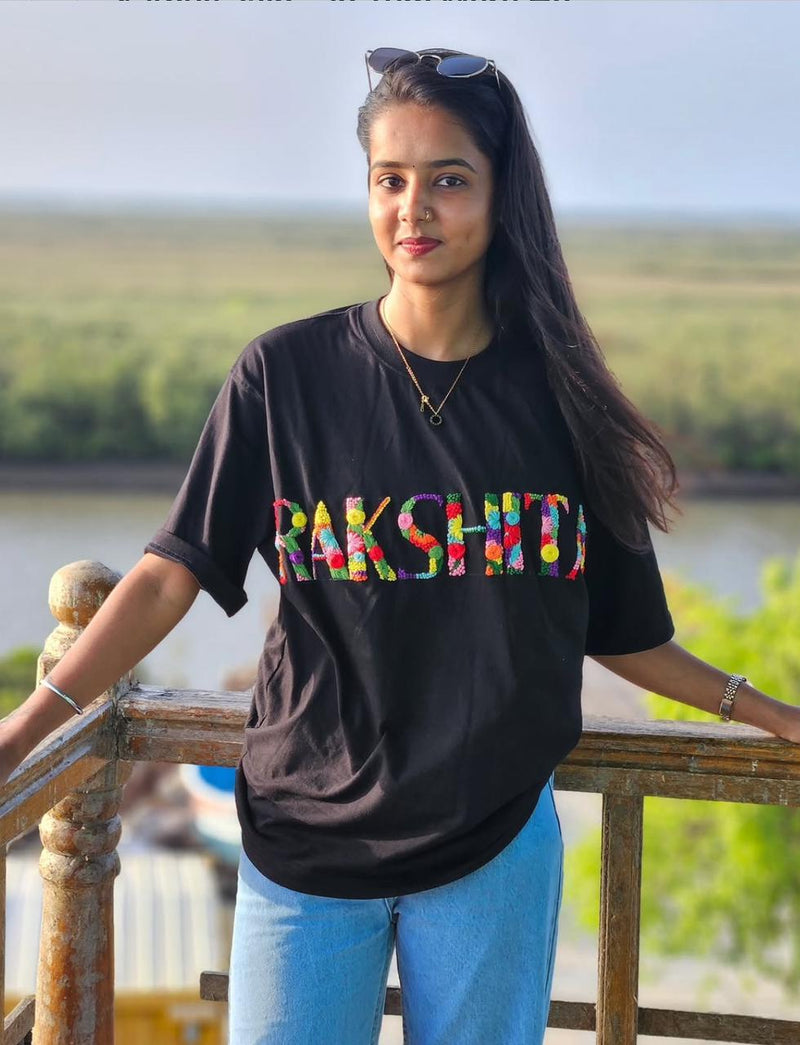
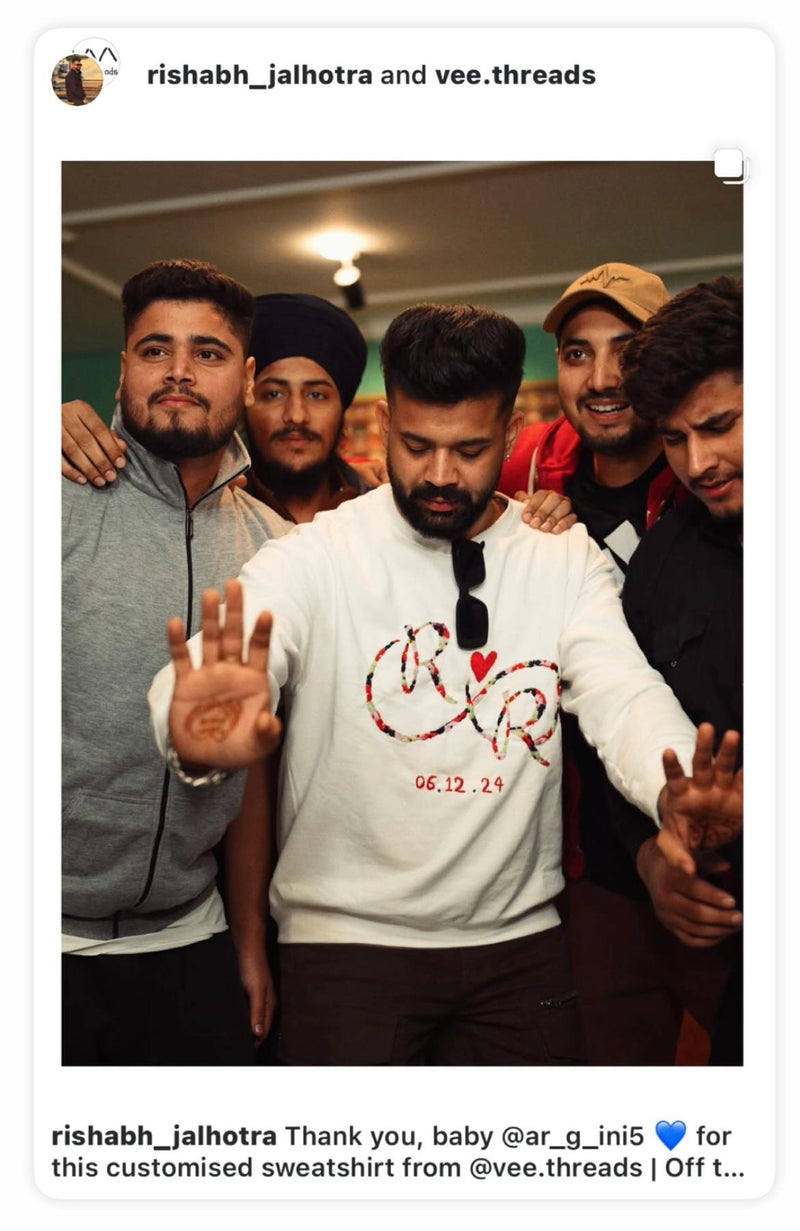
Custom pieces are the most common first purchase, usually a name, initials, a birth year or an anniversary date. Two things are worth knowing before you order one.
First, timing. A custom piece has to be stitched before it can be packed, so it leaves us within 7 days rather than the 1 to 3 days a stock item takes. Delivery time comes on top of that. If you are ordering for a specific date, count backwards and leave yourself room.
Second, spelling. We stitch exactly what you type. Personalised pieces cannot be returned for a change of mind, because a tee with someone's name on it cannot go to anyone else. Faults are a different matter and we replace those. You can browse name and initial pieces here.

Where to start
If this is your first hand embroidered piece, start with something you will wear often rather than something dramatic. A small motif on a plain tee gets worn far more than a large statement design, and it teaches you what you actually like.
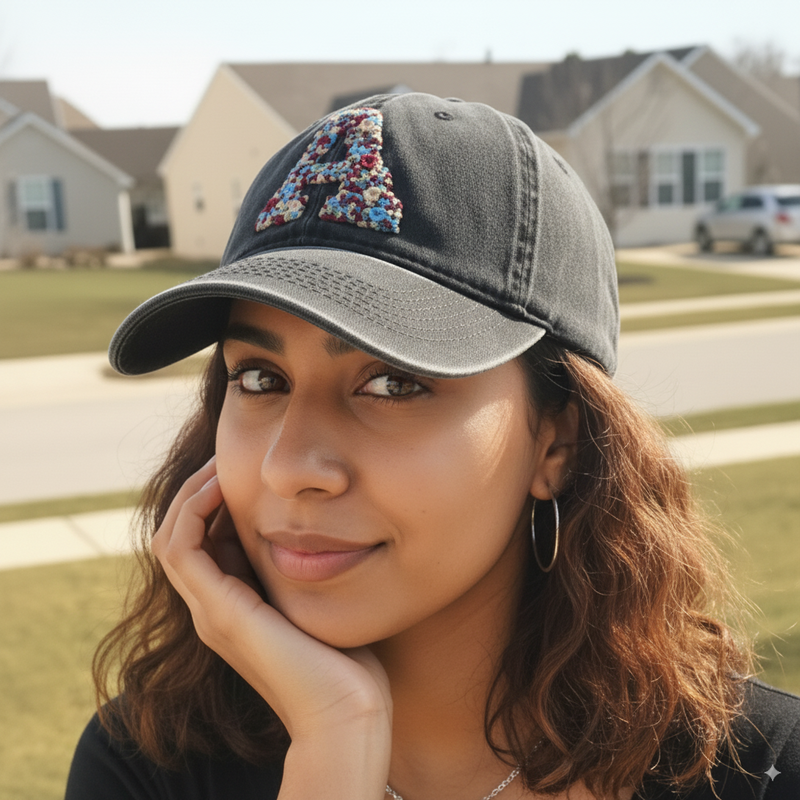
Our embroidered tee shirts are the usual starting point, and the denim caps are worth a look if you want to try the craft at a lower price. Denim holds fine detail better than knit fabric, so the stitching on a cap often reads sharper than the same motif on cotton.
Any question this guide did not answer is probably on our FAQ page. If it is not, write to us and we will answer it properly.







Share and get 15% off!
Simply share this product on one of the following social networks and you will unlock 15% off!